
- LDL cholesterol (and the ApoB particles that carry it) is the main cause of artery plaque. Lower for longer means lower heart risk.
- Every 1 mmol/L (about 39 mg/dL) drop in LDL cuts major heart and stroke events by roughly a fifth in statin trials.
- About 1 in 5 people has a high Lp(a), a mostly inherited risk factor that is worth testing once in adulthood.
- Food changes can lower LDL by 10–20% or more when combined; medicines add 20–60% when your risk calls for it.
In this guide
- What cholesterol is and how it travels
- Your cholesterol numbers at a glance
- LDL cholesterol: the main driver
- HDL cholesterol: good, but not a target
- Triglycerides
- ApoB: counting the particles
- LDL vs ApoB vs non-HDL
- Lp(a): the inherited risk factor
- What causes high LDL
- Working out your heart risk
- How to lower LDL: the big picture
- Foods that lower cholesterol
- Foods that raise LDL
- Exercise and cholesterol
- Cholesterol medicines
- Cholesterol, prediabetes and fatty liver
- When to test and how often
- All articles in this guide
- Free tools
- Common questions
Cholesterol is one of the most talked-about numbers in health, and one of the most misunderstood. Some people are told their level is “a bit high” and never hear about it again. Others worry about every egg. This guide pulls together everything in our cholesterol series: what the numbers mean, which ones matter most, how to judge your own risk, and the practical steps that lower LDL. Each section is a short summary with a link to a detailed article if you want to go deeper.
The key idea to hold on to is simple. Plaque in your arteries builds up slowly over decades, driven mainly by particles that carry LDL cholesterol. The lower your LDL and the longer you keep it low, the lower your chance of a heart attack or stroke. Everything else in this guide builds on that.
What cholesterol is and how it travels
Cholesterol is a waxy fat your body needs to build cell walls, make hormones such as estrogen and testosterone, and produce vitamin D and bile. Your liver makes most of it. The rest comes from animal foods. Because cholesterol does not mix with blood, it travels inside tiny protein-wrapped packages called lipoproteins. The type of package decides whether cholesterol helps or harms your arteries.
Carries cholesterol out to the body. Excess LDL particles get trapped in artery walls and form plaque.
Made by the liver to carry triglycerides. What is left after the fat is used, called remnants, can also enter artery walls.
Helps carry extra cholesterol back to the liver. Higher levels are linked with lower risk.
An LDL-like particle with an extra protein attached. Levels are set mostly by your genes.
Every LDL, VLDL, remnant and Lp(a) particle carries exactly one molecule of a protein called apolipoprotein B (ApoB). That is why ApoB is a direct count of the particles that can cause plaque, and why it comes up again later in this guide.
Your cholesterol numbers at a glance
A standard lipid panel reports total cholesterol, LDL, HDL and triglycerides. Many labs also report non-HDL cholesterol, and some add ApoB or Lp(a). Here are the general ranges for adults without heart disease or diabetes. People at higher risk usually need lower targets.
| Test | Desirable | Borderline | High |
|---|---|---|---|
| LDL cholesterol | Under 100 mg/dL (2.6 mmol/L) | 100–159 mg/dL | 160 mg/dL (4.1) or more; 190+ may suggest FH |
| Non-HDL cholesterol | Under 130 mg/dL (3.4 mmol/L) | 130–189 mg/dL | 190 mg/dL or more |
| HDL cholesterol | 60 mg/dL (1.5 mmol/L) or more | 40–59 mg/dL | Low: under 40 (men), under 50 (women) |
| Triglycerides | Under 150 mg/dL (1.7 mmol/L) | 150–199 mg/dL | 200 mg/dL or more; 500+ is severe |
| ApoB | Under 100 mg/dL for most; lower if high risk | 100–129 mg/dL | 130 mg/dL or more |
| Lp(a) | Under 30 mg/dL (about 75 nmol/L) | 30–50 mg/dL | Above about 50 mg/dL (roughly 105–125 nmol/L) |
Based on the 2018 AHA/ACC and 2019 ESC/EAS guidelines and the 2022 EAS Lp(a) statement. Your own target depends on your overall risk.
Read more: Understanding your cholesterol numbers, with an example report explained line by line.
LDL cholesterol: the main driver
LDL is not just linked with heart disease; it causes it. Genetic studies, long-term population studies and randomized trials all agree, as the European Atherosclerosis Society concluded in a major 2017 review. The damage depends on both how high LDL is and how many years it stays high, which is why a moderately raised LDL in your 30s matters.
How LDL builds plaque
Ference et al., Eur Heart J 2017.
Cholesterol Treatment Trialists’ Collaboration, Lancet 2010; Silverman et al., JAMA 2016.
The lesson from these trials is that it is the LDL lowering itself, not the specific pill, that brings the benefit. That is good news for food and lifestyle changes too.
Read more: LDL cholesterol explained.
HDL cholesterol: good, but not a target
HDL is often called “good” cholesterol because people with higher levels tend to have fewer heart attacks. But when researchers looked at people born with genes that raise HDL, their heart risk was no lower. Drugs that raised HDL also failed to prevent heart attacks. Today, HDL is treated as a marker of overall metabolic health rather than something to push up directly. Low HDL often travels with high triglycerides, belly fat and insulin resistance.
Very high HDL (above about 100 mg/dL) is not extra protective and in some studies is linked with higher risk. The practical message: be active, do not smoke, and focus on LDL.
Read more: HDL cholesterol explained.
Triglycerides
Triglycerides are the main form of fat in your blood and in your body’s fat stores. They rise after meals and when you regularly eat more sugar, refined carbohydrates and alcohol than you burn. High triglycerides are a classic sign of insulin resistance and often come with low HDL and fatty liver. The particles that carry them (VLDL and remnants) add to plaque, and very high levels (500 mg/dL or more) raise the risk of pancreatitis.
The American Heart Association notes that nutrition and lifestyle changes can lower triglycerides by 20–50%. The most effective steps are cutting sugary drinks and sweets, reducing refined grains and alcohol, losing weight if needed, eating oily fish and moving every day.
Read more: Triglycerides explained.
ApoB: counting the particles
LDL cholesterol measures how much cholesterol is carried inside LDL particles. ApoB counts the particles themselves. Usually the two agree. But in people with insulin resistance, prediabetes, type 2 diabetes or high triglycerides, LDL particles are often smaller and more numerous. LDL cholesterol can look “normal” while the particle count, and the risk, is high. ApoB catches this.
ApoB targets by risk level (ESC/EAS 2019)
Mach et al., Eur Heart J 2020; Sniderman et al., JAMA Cardiol 2019.
Read more: ApoB explained.
LDL vs ApoB vs non-HDL
Which number should you watch? All three reflect the same harmful particles, measured in slightly different ways.
- On every standard report
- Used for most treatment targets
- Can underestimate risk when triglycerides are high
- Non-HDL = total minus HDL; free, no extra test
- ApoB is a direct particle count; a small extra cost
- Both are better guides with diabetes, obesity or high triglycerides
A good rule: if your triglycerides are high or you have prediabetes, ask your doctor to look at non-HDL cholesterol or ApoB as well as LDL. Your non-HDL target is usually 30 mg/dL (0.8 mmol/L) above your LDL target.
Read more: LDL vs ApoB vs non-HDL: which number matters most?
Lp(a): the inherited risk factor
Lipoprotein(a), usually written Lp(a) and said “L-P-little-a”, is an LDL-like particle with an extra sticky protein. Your level is about 70–90% determined by your genes, stays fairly stable through life, and barely changes with diet or exercise. About 1 in 5 people has a level high enough to raise the risk of heart attack, stroke and narrowing of the aortic valve.
Kronenberg et al., EAS consensus statement, Eur Heart J 2022.
European guidance recommends measuring Lp(a) at least once in every adult’s lifetime. Medicines that specifically lower Lp(a) have been in large trials; ask your doctor about current options. If yours is high, the plan is to lower LDL and every other risk factor more firmly. Lp(a) is covered in Understanding your cholesterol numbers and in What causes high LDL.
What causes high LDL
LDL is set by a balance between how much the liver makes and how fast LDL receptors clear it from the blood. Anything that slows clearance or speeds production raises it.
Saturated and trans fats reduce LDL receptor activity. Ghee, butter, coconut and palm oil, fatty meats and many baked snacks add up.
Especially fat around the waist, which also raises triglycerides and lowers HDL.
Familial hypercholesterolemia affects roughly 1 in 200 to 1 in 500 people and causes very high LDL from birth.
Underactive thyroid, kidney disease, some liver conditions, menopause and pregnancy.
Including steroids, some diuretics and some transplant and HIV medicines. Never stop a medicine without advice.
Suspect FH if an adult’s LDL is 190 mg/dL (4.9 mmol/L) or higher, or if a parent, brother or sister had a heart attack young (before 55 in men or 65 in women). FH is badly underdiagnosed, it responds well to treatment, and finding it in one person means relatives should be tested too.
Read more: What causes high LDL cholesterol?
Working out your heart risk
Doctors do not treat a cholesterol number on its own. They combine it with your age, sex, blood pressure, diabetes status and smoking to estimate your 10-year chance of a heart attack or stroke. Common tools include the US Pooled Cohort Equations and newer AHA PREVENT calculator, SCORE2 in Europe, and QRISK3 in the UK.
10-year risk categories (2018 AHA/ACC)
Grundy et al., Circulation 2019. People with diabetes, very high LDL or existing heart disease are assessed differently.
Calculators can underestimate risk in some groups. The AHA/ACC guideline lists “risk-enhancing factors” that tip the balance toward treatment, including South Asian ancestry, a family history of early heart disease, metabolic syndrome, chronic kidney disease, persistently high triglycerides, Lp(a) of 50 mg/dL or more, ApoB of 130 mg/dL or more, and a history of pre-eclampsia or early menopause.
When the decision is unclear, a coronary artery calcium (CAC) score can help. This quick, low-dose CT scan looks for calcium in the heart arteries. A score of zero suggests low near-term risk and may allow some people to delay a statin, while a score of 100 or more usually means a statin is worthwhile.
How to lower LDL: the big picture
Most people can lower LDL meaningfully with food changes alone, and many need a medicine too. These are not competing choices. Healthy habits lower LDL, triglycerides, blood pressure and blood sugar all at once, and they make any medicine work better.
A step-by-step approach
In a well-known trial, a “portfolio” diet combining plant sterols, soy protein, sticky fibers such as oats and psyllium, and almonds lowered LDL by about 29% in four weeks, close to the 31% seen with an older statin in the same study. That was under tightly controlled conditions; in everyday life most people see smaller but still useful drops.
Read more: How to lower LDL cholesterol.
Foods that lower cholesterol
Two strategies work best: replace saturated fat with unsaturated fat, and add foods that actively pull LDL down.
Approximate LDL lowering from each change
Approximate effects from the ESC/EAS 2019 guidelines; they add up when combined.
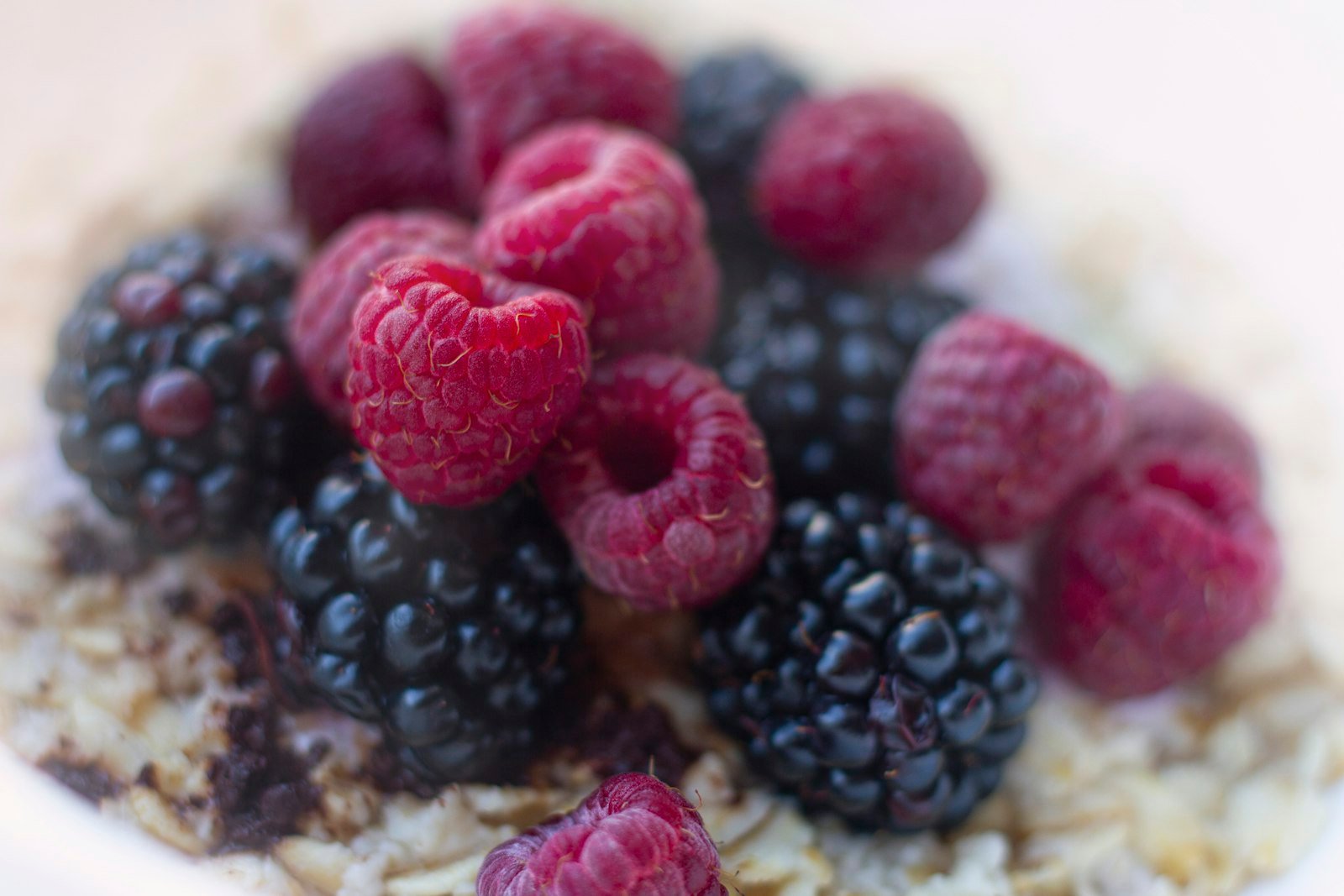
- Oats and barley: a bowl of oats or oat bran porridge, or barley in soups.
- Legumes: dal, chana, rajma, lentils and beans most days.
- Nuts and seeds: a small handful of almonds, walnuts or flaxseed.
- Healthier oils: mustard, groundnut, olive, canola or sunflower oil in place of ghee or vanaspati.
- Soy: tofu, soy milk or edamame in place of some meat or full-fat dairy.
- Oily fish once or twice a week, mainly for triglycerides and heart health.
Read more: Foods that lower cholesterol.
Foods that raise LDL
Saturated fat is the biggest dietary driver of LDL. A Cochrane review of randomized trials found that cutting saturated fat for at least two years reduced combined cardiovascular events by 17%. The benefit was greatest when saturated fat was replaced with polyunsaturated fat rather than refined carbohydrates. Trans fats are even worse and should be avoided entirely.
What about eggs? For most people, dietary cholesterol has a smaller effect than saturated fat, and an egg a day fits a heart-healthy pattern. People with diabetes or very high LDL may be advised to keep egg yolks more moderate.
Read more: Foods that raise LDL cholesterol.
Exercise and cholesterol
Exercise does more for triglycerides and HDL than for LDL, but it is one of the best things you can do for your heart overall. A meta-analysis of 35 trials found that regular aerobic exercise raised HDL by about 2.5 mg/dL, with a minimum of roughly 120 minutes a week needed to see a change. Longer sessions had the biggest effect.
Brisk walking, cycling, swimming or dancing, spread across the week.
Builds muscle that uses glucose and fat, helping triglycerides and insulin resistance.
Even 10–15 minutes helps clear fat and sugar from the blood after eating.
Read more: Exercise and cholesterol, and our Beginner’s Guide to Strength Training.
Cholesterol medicines
If your risk is high, or LDL stays high despite lifestyle changes, medicine can add a large extra drop. Statins are the first choice for most people and are among the most studied medicines in the world.
Typical extra LDL lowering by medicine
Grundy et al., Circulation 2019; Mach et al., Eur Heart J 2020. Effects of combined medicines add up.
Adding ezetimibe to a statin after a heart attack further reduced events in the IMPROVE-IT trial, and the PCSK9 inhibitor evolocumab lowered LDL by 59% and cut major events by 15% in the FOURIER trial. Other options include bempedoic acid and inclisiran. For very high triglycerides, a purified omega-3 (icosapent ethyl) or a fibrate may be used.
Talk to your doctor before starting, stopping or changing any cholesterol medicine. Statins are not used in pregnancy, so tell your doctor if you are planning a baby. If you get muscle aches, do not simply stop; a different dose, a different statin or another medicine usually solves the problem.
Read more: Cholesterol medicines explained.
Cholesterol, prediabetes and fatty liver
High triglycerides, low HDL, prediabetes and fatty liver often show up together because they share a root cause: insulin resistance. When the liver is flooded with sugar and fat it stores some as liver fat and exports the rest as triglyceride-rich VLDL particles. The result is a typical pattern.
The insulin resistance pattern
High triglycerides and low HDL are two of the cardiometabolic criteria used to define metabolic dysfunction-associated steatotic liver disease (MASLD), the new name for fatty liver. The upside is that the same changes help all three conditions: modest weight loss, fewer refined carbs and sugary drinks, more fiber and daily movement. If you have prediabetes, ApoB or non-HDL cholesterol gives a truer picture of your risk than LDL alone.
Read more: The cholesterol, prediabetes and fatty liver connection. See also Metabolic syndrome: the 5 numbers and our Complete Prediabetes Guide.
When to test and how often
Once between ages 9 and 11, and again at 17–21. From age 2 if a parent has very high cholesterol or early heart disease.
A lipid panel every 4–6 years if results are normal and risk is low. Test Lp(a) at least once.
More often, often every 1–2 years, if you have borderline numbers, prediabetes, diabetes, fatty liver or a family history.
Recheck 4–12 weeks after starting or changing a medicine or making major diet changes, then every 3–12 months as advised.
Grundy et al., Circulation 2019; Mach et al., Eur Heart J 2020.
Fasting is usually not needed. Results vary by 5–10% from test to test, so look at the trend over time rather than any single number.
All articles in this guide
Read them in this order for a full course on cholesterol:
- Understanding your cholesterol numbers
- LDL cholesterol explained
- HDL cholesterol explained
- Triglycerides explained
- ApoB explained
- LDL vs ApoB vs non-HDL
- What causes high LDL cholesterol?
- How to lower LDL cholesterol
- Foods that lower cholesterol
- Foods that raise LDL cholesterol
- Exercise and cholesterol
- Cholesterol medicines explained
- The cholesterol, prediabetes and fatty liver connection
Free tools
See how close you are to 30 g of fiber a day, including the soluble fiber that lowers LDL.
A quick check of belly fat, which is closely linked with triglycerides and low HDL.
Includes the lower Asian cut-offs for overweight and obesity.
Bring your lipid panel, blood pressure and blood sugar together in one score.
MythIf your total cholesterol is normal, your heart is safe.
FactTotal cholesterol mixes good and bad particles. A person can have normal total cholesterol with low HDL, high triglycerides, a high ApoB or a high Lp(a). Look at the parts and your overall risk.
Common questions
Can I lower cholesterol without medicine?
Often, yes, by 10–20% or more when several food changes are combined. Whether that is enough depends on your starting LDL and your overall risk. People with FH or existing heart disease almost always need medicine as well.
How fast do diet changes work?
LDL starts to fall within 2–4 weeks of a consistent change. Recheck after about 6–12 weeks to see your new baseline.
Can thin, active people have high cholesterol?
Yes. Genes play a big role. FH and high Lp(a) occur at any weight, which is why everyone should know their numbers.
Is very low LDL dangerous?
Trials that lowered LDL to very low levels, below 40 mg/dL, did not find extra safety problems, and the heart benefit kept growing. Your body makes all the cholesterol its cells need.
Should South Asians worry more about cholesterol?
South Asian ancestry is listed as a risk-enhancing factor in US guidelines. Heart disease tends to occur earlier, often with high triglycerides, low HDL and insulin resistance, so earlier testing and action make sense.
- LDL and the ApoB particles that carry it cause plaque; lower for longer is better.
- Non-HDL or ApoB give a truer picture when triglycerides are high or you have prediabetes, and Lp(a) is worth testing once.
- Your treatment depends on your overall 10-year risk, risk enhancers and sometimes a CAC score, not one number.
- Swap saturated fat for unsaturated fat, add soluble fiber, legumes and nuts, move daily, and add medicine when your risk calls for it.
- Next: The Complete Fatty Liver Guide.
Sources
- Grundy SM, Stone NJ, Bailey AL, et al. 2018 AHA/ACC guideline on the management of blood cholesterol. Circulation. 2019;139(25):e1082–e1143.
- Mach F, Baigent C, Catapano AL, et al. 2019 ESC/EAS guidelines for the management of dyslipidaemias: lipid modification to reduce cardiovascular risk. Eur Heart J. 2020;41(1):111–188.
- Ference BA, Ginsberg HN, Graham I, et al. Low-density lipoproteins cause atherosclerotic cardiovascular disease. 1. Evidence from genetic, epidemiologic, and clinical studies. A consensus statement from the European Atherosclerosis Society Consensus Panel. Eur Heart J. 2017;38(32):2459–2472.
- Cholesterol Treatment Trialists’ (CTT) Collaboration. Efficacy and safety of more intensive lowering of LDL cholesterol: a meta-analysis of data from 170,000 participants in 26 randomised trials. Lancet. 2010;376(9753):1670–1681.
- Silverman MG, Ference BA, Im K, et al. Association between lowering LDL-C and cardiovascular risk reduction among different therapeutic interventions: a systematic review and meta-analysis. JAMA. 2016;316(12):1289–1297.
- Sniderman AD, Thanassoulis G, Glavinovic T, et al. Apolipoprotein B particles and cardiovascular disease: a narrative review. JAMA Cardiol. 2019;4(12):1287–1295.
- Kronenberg F, Mora S, Stroes ESG, et al. Lipoprotein(a) in atherosclerotic cardiovascular disease and aortic stenosis: a European Atherosclerosis Society consensus statement. Eur Heart J. 2022;43(39):3925–3946.
- Nordestgaard BG, Chapman MJ, Humphries SE, et al. Familial hypercholesterolaemia is underdiagnosed and undertreated in the general population: guidance for clinicians to prevent coronary heart disease. Eur Heart J. 2013;34(45):3478–3490.
- Voight BF, Peloso GM, Orho-Melander M, et al. Plasma HDL cholesterol and risk of myocardial infarction: a mendelian randomisation study. Lancet. 2012;380(9841):572–580.
- Miller M, Stone NJ, Ballantyne C, et al. Triglycerides and cardiovascular disease: a scientific statement from the American Heart Association. Circulation. 2011;123(20):2292–2333.
- Jenkins DJA, Kendall CWC, Marchie A, et al. Effects of a dietary portfolio of cholesterol-lowering foods vs lovastatin on serum lipids and C-reactive protein. JAMA. 2003;290(4):502–510.
- Hooper L, Martin N, Jimoh OF, et al. Reduction in saturated fat intake for cardiovascular disease. Cochrane Database Syst Rev. 2020;(8):CD011737.
- Kodama S, Tanaka S, Saito K, et al. Effect of aerobic exercise training on serum levels of high-density lipoprotein cholesterol: a meta-analysis. Arch Intern Med. 2007;167(10):999–1008.
- Cannon CP, Blazing MA, Giugliano RP, et al. Ezetimibe added to statin therapy after acute coronary syndromes. N Engl J Med. 2015;372(25):2387–2397.
- Sabatine MS, Giugliano RP, Keech AC, et al. Evolocumab and clinical outcomes in patients with cardiovascular disease. N Engl J Med. 2017;376(18):1713–1722.
- Rinella ME, Lazarus JV, Ratziu V, et al. A multisociety Delphi consensus statement on new fatty liver disease nomenclature. J Hepatol. 2023;79(6):1542–1556.
This article is for general education and is not a substitute for advice from your own doctor or healthcare team.