

- High LDL usually comes from a mix of genes and lifestyle; many people with high LDL eat reasonably well.
- About 1 in 300 people worldwide has familial hypercholesterolemia (FH), an inherited cause of very high LDL.
- An LDL of 190 mg/dL (4.9 mmol/L) or more should prompt a check for FH.
- Underactive thyroid, kidney disease, some medicines, menopause and very high-fat diets can also raise LDL, and some of these are easy to fix.
Finding out your LDL is high can feel confusing, especially if you are not overweight and you watch what you eat. The truth is that LDL is set by a balance between how many LDL particles your liver makes and how quickly it clears them. Genes, food, body weight, hormones and other health conditions all push on that balance.
Knowing why your LDL is high matters. It helps your doctor decide whether diet alone is likely to work, whether something treatable like an underactive thyroid is the cause, and whether your family should be tested too. For what LDL does and why it matters, see LDL cholesterol explained.
How LDL gets high
Your liver removes LDL from the blood using LDL receptors on its surface. Anything that reduces the number or function of these receptors lets LDL build up. Anything that makes the liver produce more cholesterol-carrying particles adds to the load.
- Inherited faults in LDL receptors (FH)
- Diets high in saturated and trans fat
- Underactive thyroid
- Falling estrogen at menopause
- Extra body weight and belly fat
- Kidney disease, especially with protein loss
- Some medicines
- Age
Genes and familial hypercholesterolemia
Genes explain a large share of the difference in LDL between people. In most, many small gene effects add up. But some people carry a single powerful gene change that causes familial hypercholesterolemia (FH). It usually affects the LDL receptor, so LDL is high from birth.
Beheshti et al., J Am Coll Cardiol 2020; Nordestgaard et al., Eur Heart J 2013; 2018 AHA/ACC guideline.
FH is badly underdiagnosed. Most people who have it do not know. Without treatment, people with FH often develop heart disease early, typically before 55 in men and 60 in women. With early treatment, their outlook is far better. FH is more common among people with early heart disease and in some communities with shared ancestry.
- LDL of 190 mg/dL (4.9 mmol/L) or more as an adult
- A parent, brother or sister with very high cholesterol
- Heart attack or stroke in a close relative before 55 (men) or 60 (women)
- Fatty lumps on the tendons (often the Achilles or knuckles) or a pale ring around the iris before 45
If these apply, ask your doctor about FH. Diagnosis uses your LDL level, family history, physical signs and sometimes a genetic test. Relatives, including children, can then be tested.
Diet: saturated fat and trans fat
The foods that raise LDL most are those high in saturated fat and trans fat. In a pooled analysis of 60 controlled feeding trials, swapping saturated fat for unsaturated fat lowered LDL, while trans fat raised LDL and lowered HDL, the worst combination. Dietary cholesterol, from eggs and prawns, has a smaller effect for most people.
For a full list, see foods that raise LDL.
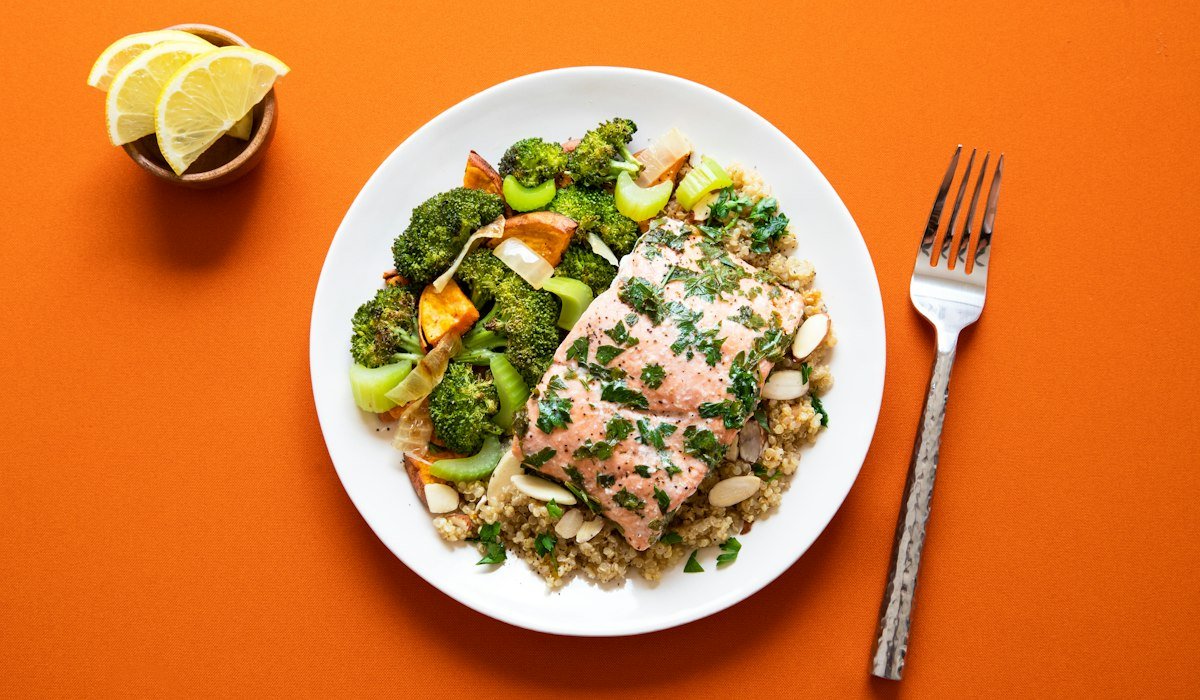
Keto and very high-fat diets
Low-carb and keto diets can help with weight, blood sugar and triglycerides. But when they rely on butter, ghee, cream, cheese, coconut oil and fatty meat, LDL can rise, sometimes sharply. In some people the rise is large. If you follow a keto diet, get your lipids checked after a few months, and if LDL rises, shift toward unsaturated fats such as nuts, seeds, olive oil and fish.
Weight, age and menopause
Extra body weight, especially around the waist, tends to raise LDL and triglycerides and lower HDL. Losing weight usually improves all three. Try our BMI Calculator as a starting point, and read about visceral fat.
LDL also creeps up with age. In women, it often rises noticeably around menopause as estrogen falls, because estrogen helps the liver clear LDL. A woman whose cholesterol was always fine may find it high in her 50s. That is a good reason to recheck lipids around this time.
Medical conditions and medicines
Low thyroid hormone slows LDL clearance. Treating it often brings LDL down, so a thyroid test is worth doing when LDL is high.
Especially nephrotic syndrome, where protein leaks into urine, which can push LDL very high.
Some liver conditions that block bile (cholestasis) raise cholesterol.
Including steroids, some diuretics, ciclosporin, amiodarone, anabolic steroids, isotretinoin and some HIV medicines.
Secondary causes listed in the 2019 ESC/EAS and 2018 AHA/ACC guidelines. Pregnancy also raises LDL temporarily; this is normal.
When LDL is higher than expected, your doctor may order a few simple tests to look for these causes: thyroid function (TSH), kidney function and a urine protein check, liver tests, and fasting glucose or HbA1c. It also helps to bring a list of every medicine and supplement you take, including bodybuilding products. Finding and treating a secondary cause can sometimes lower LDL substantially without extra cholesterol medicine.
Never stop a prescribed medicine because you think it is raising your cholesterol. Talk to your doctor, who can weigh the benefits and check for alternatives. If your LDL is 190 mg/dL or more, see a doctor even if you feel well.
MythHigh cholesterol only happens to people who are overweight or eat badly.
FactGenes play a major role. Slim, active people, and even children, can have very high LDL from FH.
Common questions
If my high LDL is genetic, is there any point changing my diet?
Yes. Diet still lowers LDL and improves other risk factors. With FH, though, medicine is almost always needed as well.
Should my children be tested?
If FH is suspected or confirmed in a parent, yes. Children with FH can be identified early, and treatment is often started in childhood. Ask your doctor or a pediatrician.
Do eggs cause high LDL?
For most people, an egg a day has only a small effect on LDL. What you cook it with and eat it alongside, such as butter, ghee or fried sides, often matters more.
Can stress raise LDL?
Stress may nudge cholesterol up indirectly through sleep, eating and activity habits, but it is not a major direct cause.
- High LDL comes from genes plus diet, weight, age, hormones and other conditions.
- About 1 in 300 people has FH; an LDL of 190 mg/dL or more should prompt a check.
- Saturated and trans fats raise LDL; very high-fat keto diets can too.
- Check thyroid, kidney function and medicines when LDL is unexpectedly high.
- Next: How to Lower LDL Cholesterol.
Sources
- Beheshti SO, Madsen CM, Varbo A, Nordestgaard BG. Worldwide prevalence of familial hypercholesterolemia: meta-analyses of 11 million subjects. J Am Coll Cardiol. 2020;75(20):2553–2566.
- Nordestgaard BG, Chapman MJ, Humphries SE, et al. Familial hypercholesterolaemia is underdiagnosed and undertreated in the general population: guidance for clinicians to prevent coronary heart disease. Consensus statement of the European Atherosclerosis Society. Eur Heart J. 2013;34(45):3478–3490.
- Mach F, Baigent C, Catapano AL, et al. 2019 ESC/EAS Guidelines for the management of dyslipidaemias: lipid modification to reduce cardiovascular risk. Eur Heart J. 2020;41(1):111–188.
- Grundy SM, Stone NJ, Bailey AL, et al. 2018 AHA/ACC/AACVPR/AAPA/ABC/ACPM/ADA/AGS/APhA/ASPC/NLA/PCNA Guideline on the Management of Blood Cholesterol. Circulation. 2019;139(25):e1082–e1143.
- Mensink RP, Zock PL, Kester AD, Katan MB. Effects of dietary fatty acids and carbohydrates on the ratio of serum total to HDL cholesterol and on serum lipids and apolipoproteins: a meta-analysis of 60 controlled trials. Am J Clin Nutr. 2003;77(5):1146–1155.
- Ference BA, Ginsberg HN, Graham I, et al. Low-density lipoproteins cause atherosclerotic cardiovascular disease. 1. Evidence from genetic, epidemiologic, and clinical studies. A consensus statement from the European Atherosclerosis Society Consensus Panel. Eur Heart J. 2017;38(32):2459–2472.
This article is for general education and is not a substitute for advice from your own doctor or healthcare team.