
- Each food change lowers LDL by a small amount, but the effects add up when you combine them.
- In a tightly controlled trial, a combined “portfolio” diet lowered LDL by about 29% in 4 weeks, close to an older statin.
- In everyday life, most people can expect 10–20% from diet and weight changes together.
- Retest about 3 months after changing your habits. If LDL is very high or your heart risk is high, medicine is usually needed as well.
LDL cholesterol is the main type of cholesterol that builds plaque inside your arteries. The good news is that LDL responds to what you eat, and you can often see a change on your next blood test. The less good news is that no single food is a magic fix. Real results come from stacking several small changes, keeping them going, and knowing when lifestyle alone is not enough.
This guide shows roughly how much each lever can move your number, a simple 12-week plan, and how to decide with your doctor whether you need medicine too. If you are not sure what your report means, start with Understanding Cholesterol Numbers.
What the evidence shows
Jenkins et al., JAMA 2003 and JAMA 2011; Cholesterol Treatment Trialists’ Collaboration, Lancet 2010.
The portfolio diet combined four proven foods at once: plant sterols, soluble fiber from oats, barley and psyllium, soy protein, and almonds. It was also low in saturated fat. In a controlled study where all food was provided, it lowered LDL almost as much as lovastatin, an older statin. When people cooked for themselves in a later trial, LDL fell by about 13–14%. That gap is normal. It shows both the potential and how hard it is to stick to every change.
How much each lever can lower LDL
Approximate LDL lowering from each change
Approximate effects from ESC/EAS 2019 guidelines; Ras et al., Br J Nutr 2014; Brown et al., Am J Clin Nutr 1999; Dattilo and Kris-Etherton, Am J Clin Nutr 1992. Effects vary between people.
1. Swap saturated fat for unsaturated fat
This is usually the biggest single lever. Saturated fat makes the liver clear less LDL from the blood. The main sources are ghee, butter, coconut and palm oil, fatty meat, full-fat cheese, cream and many baked snacks. Swap them for mustard, groundnut, olive, canola or sunflower oil, and for nuts, seeds and fish. What you eat instead matters. Replacing ghee with white rice or sugar does not help your heart. See Foods That Raise LDL for a full swap list.
2. Add soluble fiber every day
Soluble fiber forms a gel in the gut that traps bile acids, so the liver pulls more cholesterol out of the blood to make new ones. Each extra gram helps a little. Good sources are oats, barley, psyllium (isabgol), beans, rajma, chana, dal, okra, apples and citrus fruit. A bowl of oats plus a serving of dal and a spoon of psyllium can give you 5–10 g of soluble fiber.
3. Consider plant sterols
Plant sterols and stanols block some cholesterol absorption in the gut. About 2 g a day, usually from fortified spreads, yogurt drinks or milk, lowers LDL by roughly 8–10%. They work best taken with a meal. They are a useful add-on, not a replacement for a healthy diet or prescribed medicine.
4. Lose some weight if you need to
If you carry extra weight, especially around your waist, losing 5–10% of body weight lowers LDL modestly and often improves triglycerides and HDL even more. It also lowers blood sugar and liver fat. Our Waist-to-Height Ratio Calculator is a quick way to check where you stand.
5. Move most days
Exercise has only a small direct effect on LDL. It still matters a lot, because it raises HDL, lowers triglycerides and blood pressure, and protects your heart in ways cholesterol numbers do not show. Read more in Exercise and Cholesterol.
A 12-week plan
Get a baseline lipid panel. Write down your LDL, non-HDL and triglycerides, plus your weight and waist.
Switch your cooking fat to an unsaturated oil. Cut back on ghee, butter, cream and fried snacks.
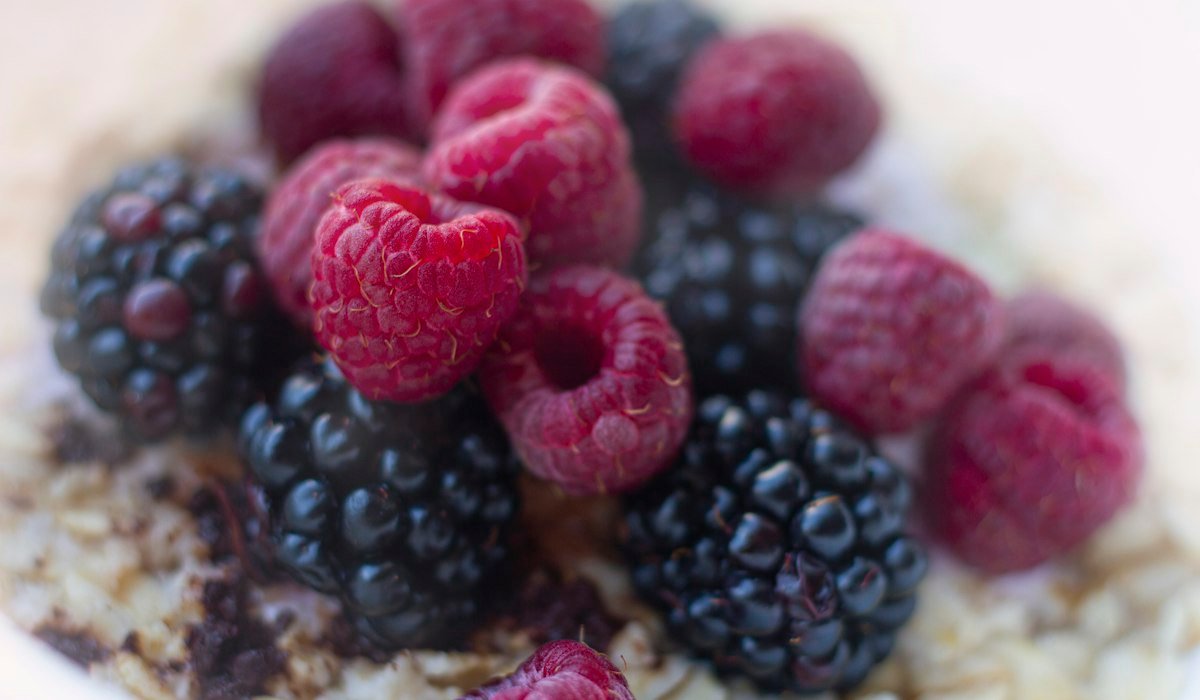
Add oats or barley at breakfast and a serving of beans, chana or dal each day. Add a spoon of psyllium if you like.
Eat a small handful of nuts most days. Add plant sterols if you choose. Aim for 150 minutes of brisk walking a week.
Keep going. Check what slipped and fix one thing at a time. Book your repeat test.
Retest and review the result with your doctor, alongside your overall heart risk.
Most of the drop in LDL from diet shows up within 4–6 weeks, so 12 weeks gives a fair picture of what your habits can do. Take the test under similar conditions each time, and remember that results can vary by 5–10% from one test to the next.
When medicine is needed
Food changes help everyone, but for some people they are not enough on their own. Doctors usually recommend a statin together with lifestyle changes if you have:
- Heart disease, a past stroke or narrowed arteries.
- LDL of 190 mg/dL (4.9 mmol/L) or more, which may point to familial hypercholesterolemia.
- Diabetes, usually from age 40, or several other risk factors.
- A high estimated 10-year risk of heart attack or stroke.
Starting a medicine is not a failure. It simply reflects that genes and age strongly shape LDL. Our guide to Cholesterol Medicines Explained covers the options.
Already taking a statin? Keep taking it while you improve your diet. Do not stop or change any medicine without talking to your doctor. Healthy habits and medicine work best together.
When to retest
| Situation | Typical retest |
|---|---|
| After changing your diet and activity | About 3 months |
| After starting or changing a statin | 4–12 weeks |
| Once LDL is on target and stable | Every 3–12 months if on medicine, or as your doctor advises |
Based on the 2018 AHA/ACC cholesterol guideline.
MythIf my LDL is high, I just need to stop eating eggs.
FactFor most people, saturated fat, fiber and overall eating pattern matter more than eggs. Focusing on one food misses the bigger levers.
Common questions
How fast can LDL come down with diet?
Most of the change appears within 4–6 weeks. Retesting at about 3 months gives a clearer picture.
Why did my LDL not drop even though I eat well?
Genes play a big role. Some people make a lot of LDL or clear it slowly. If your LDL stays high despite good habits, ask your doctor about medicine and about testing for familial hypercholesterolemia.
Do I need to cut out all fat?
No. The type of fat matters more than the amount. Unsaturated oils, nuts and fish support healthy cholesterol.
- Swapping saturated fat for unsaturated fat is usually the biggest single lever.
- Soluble fiber, plant sterols and weight loss each add a few percent more.
- Combined changes can lower LDL by 10–20% or more.
- Retest at about 3 months, and use medicine when your risk calls for it.
- Next: Foods That Lower Cholesterol: The Evidence-Based List.
Sources
- Jenkins DJA, Kendall CWC, Marchie A, et al. Effects of a dietary portfolio of cholesterol-lowering foods vs lovastatin on serum lipids and C-reactive protein. JAMA. 2003;290(4):502–510.
- Jenkins DJA, Jones PJH, Lamarche B, et al. Effect of a dietary portfolio of cholesterol-lowering foods given at 2 levels of intensity of dietary advice on serum lipids in hyperlipidemia: a randomized controlled trial. JAMA. 2011;306(8):831–839.
- Mach F, Baigent C, Catapano AL, et al. 2019 ESC/EAS guidelines for the management of dyslipidaemias: lipid modification to reduce cardiovascular risk. Eur Heart J. 2020;41(1):111–188.
- Grundy SM, Stone NJ, Bailey AL, et al. 2018 AHA/ACC guideline on the management of blood cholesterol. Circulation. 2019;139(25):e1082–e1143.
- Ras RT, Geleijnse JM, Trautwein EA. LDL-cholesterol-lowering effect of plant sterols and stanols across different dose ranges: a meta-analysis of randomised controlled studies. Br J Nutr. 2014;112(2):214–219.
- Brown L, Rosner B, Willett WW, Sacks FM. Cholesterol-lowering effects of dietary fiber: a meta-analysis. Am J Clin Nutr. 1999;69(1):30–42.
- Dattilo AM, Kris-Etherton PM. Effects of weight reduction on blood lipids and lipoproteins: a meta-analysis. Am J Clin Nutr. 1992;56(2):320–328.
- Cholesterol Treatment Trialists’ Collaboration. Efficacy and safety of more intensive lowering of LDL cholesterol: a meta-analysis of data from 170,000 participants in 26 randomised trials. Lancet. 2010;376(9753):1670–1681.
This article is for general education and is not a substitute for advice from your own doctor or healthcare team.