

- A steady breakfast combines protein (about 20–30 g), fiber and a modest portion of whole-grain carbs.
- Fruit juice, sugary cereal, white bread and sweet tea on their own tend to cause a quick spike and an early crash.
- Eating vegetables and protein before carbohydrates lowered after-meal glucose by up to 37% in a small study.
- Below are 12 ideas: six Indian and six Western, all quick enough for a weekday.
Breakfast sets the tone for the day. With prediabetes, the goal is not to avoid carbohydrates completely. It is to choose carbs that release sugar slowly and to pair them with protein and fiber so your blood sugar rises gently instead of shooting up. A good breakfast also keeps you full until lunch, which makes mid-morning biscuits and sweet chai less tempting. None of the ideas below need special products, and most use foods already in an Indian or Western kitchen.
Four principles of a steady breakfast
Aim for about 20–30 g: two or three eggs, a bowl of Greek yogurt, 100 g paneer or tofu, or a besan or moong dal chilla with curd.
Vegetables, sprouts, oats, seeds, nuts and whole fruit slow digestion. Most adults need 25–30 g of fiber a day.
Steel-cut or rolled oats, whole-wheat roti, millets and whole-grain bread instead of white bread, maida or instant oats.
Juice, sweetened coffee and sweet tea add fast sugar without fullness. Choose water, unsweetened tea or coffee, or milk.
Fiber matters for more than one meal. A large series of reviews in The Lancet found that people eating 25–29 g of fiber a day had a 15–30% lower risk of type 2 diabetes, heart disease and early death compared with those eating the least. Check your intake with our Fiber Calculator.
Why order and pairing matter
How you eat carbohydrates can be almost as important as how much. In a small study of adults with type 2 diabetes, eating vegetables and protein first and the carbohydrate part of the same meal 15 minutes later led to much lower glucose afterward.
Lower glucose when protein and vegetables came before carbs
Shukla et al., Diabetes Care 2015 (11 adults with type 2 diabetes; same meal eaten in two orders).
At breakfast this can be as simple as eating your egg or paneer and vegetables before the toast or roti. Timing can matter too. In one trial, adults with type 2 diabetes who ate a larger breakfast and a smaller dinner had lower glucose over the day than those who did the reverse.
12 breakfast ideas
Each idea below follows the same pattern: a clear protein, plenty of vegetables or fiber, and a modest portion of grain. Mix and match through the week so breakfast never feels boring.
Indian options
Chickpea flour pancakes with onion, tomato, spinach and coriander. Serve with a bowl of curd for extra protein.
Soaked, ground green gram with ginger and green chili. Stuff with grated paneer and pair with mint chutney.
Use less rava and more vegetables, or try broken wheat (dalia). A handful of peanuts adds protein and healthy fat.
Oats and a little urad dal steamed into idlis. Serve with sambar rather than extra coconut chutney.
Scrambled paneer with capsicum and onion, plus one whole-wheat or multigrain roti.
Thick poha with plenty of moong sprouts, peas, peanuts and lemon. The sprouts add fiber and protein.
Western options
Two or three eggs scrambled or as an omelet with spinach, mushrooms and tomatoes, plus one slice of whole-grain toast.
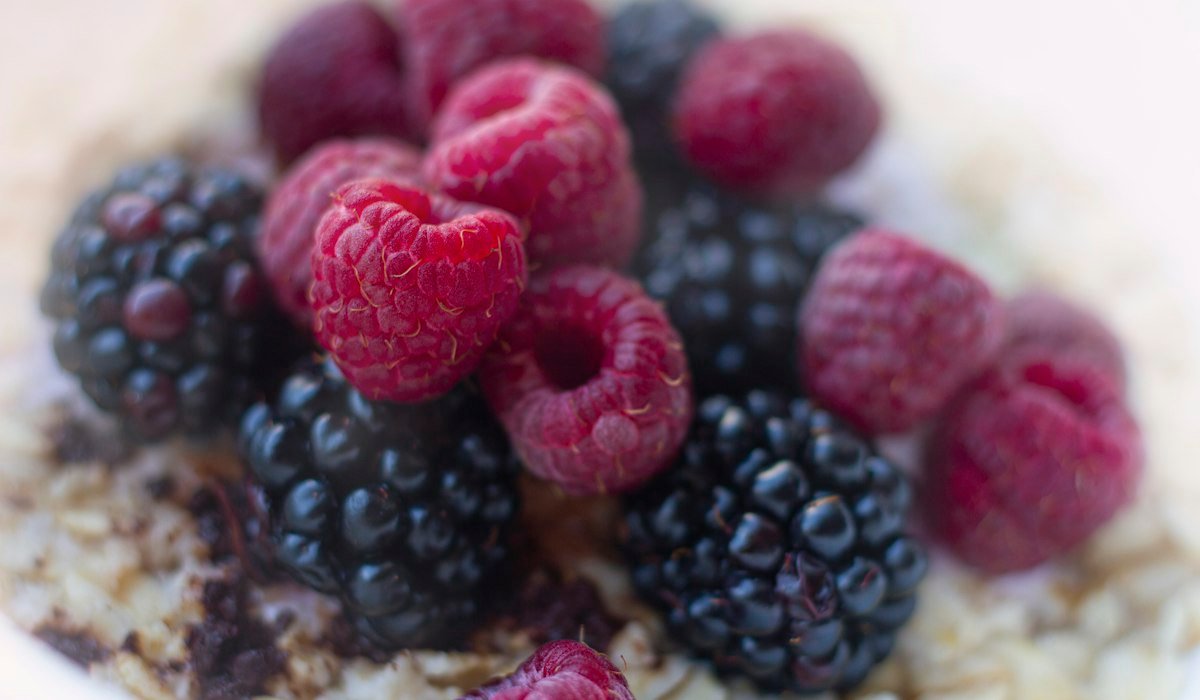
Plain Greek yogurt with berries, walnuts or almonds and a spoon of ground flaxseed. Skip the granola or keep it small.
Cook with milk, top with nuts, seeds and cinnamon, and stir in protein such as yogurt or a scoop of nut butter.
One slice of whole-grain or sourdough bread with smashed avocado, a boiled or poached egg and chili flakes.
Cottage cheese with sliced pear or apple and pumpkin seeds. High in protein, quick and portable.
Chia seeds soaked overnight in milk or unsweetened soy milk, topped with berries and a few chopped nuts.
Easy breakfast swaps
You do not have to change everything at once. Small swaps to your usual breakfast often make a noticeable difference.
Instant oats and puffed or flaked cereals are more processed, so they are digested faster and tend to raise blood sugar more than whole or rolled grains. For more ideas, see Food Swaps to Lower Blood Sugar.
A quick breakfast checklist
- Is there a clear protein source (egg, curd, paneer, dal, tofu, yogurt)?
- Is there something with fiber (vegetables, sprouts, seeds, oats, whole fruit)?
- Is the grain whole and the portion modest, such as one roti or one slice of bread?
- Is my drink unsweetened?
How much protein do you need? Try our Protein Calculator, then read The Complete Guide to Protein for easy sources.
If you take diabetes medicines such as insulin or sulfonylureas, skipping or greatly shrinking breakfast can cause low blood sugar. Talk to your doctor before changing meal timing.
MythWith prediabetes you should skip breakfast to avoid carbs.
FactSkipping breakfast suits some people, but for many it leads to larger, sugary snacks later. A protein and fiber-rich breakfast is a reliable choice.
Common questions
Is idli or dosa okay with prediabetes?
Yes, in sensible portions. Two idlis with sambar plus an egg or a bowl of sprouts is more balanced than four idlis with chutney. Oats or millet idlis add fiber.
Can I have fruit at breakfast?
Whole fruit is a good choice, especially with yogurt, nuts or eggs. Avoid juice. See our guide to the best fruits for prediabetes.
Is a smoothie a good breakfast?
It can be if it includes protein (yogurt or milk), vegetables, seeds and only a little fruit. Fruit-only smoothies act more like juice.
How should I check what works for me?
Blood sugar responses vary between people. If you have a glucose meter, testing two hours after different breakfasts can show which ones suit you best.
- Build breakfast around 20–30 g of protein, fiber and a modest whole-grain portion.
- Choose whole fruit over juice and unsweetened drinks over sweet tea and coffee.
- Eating protein and vegetables before carbs can blunt the spike.
- Chillas, sprouts poha, eggs, Greek yogurt and less-processed oats are easy everyday choices.
- Next: 7-day prediabetes meal plan (Indian and Western options).
Sources
- Evert AB, Dennison M, Gardner CD, et al. Nutrition therapy for adults with diabetes or prediabetes: a consensus report. Diabetes Care. 2019;42(5):731–754.
- Reynolds A, Mann J, Cummings J, et al. Carbohydrate quality and human health: a series of systematic reviews and meta-analyses. Lancet. 2019;393(10170):434–445.
- Shukla AP, Iliescu RG, Thomas CE, Aronne LJ. Food order has a significant impact on postprandial glucose and insulin levels. Diabetes Care. 2015;38(7):e98–e99.
- Jakubowicz D, Wainstein J, Ahrén B, et al. High-energy breakfast with low-energy dinner decreases overall daily hyperglycaemia in type 2 diabetic patients: a randomised clinical trial. Diabetologia. 2015;58(5):912–919.
- Imamura F, O’Connor L, Ye Z, et al. Consumption of sugar sweetened beverages, artificially sweetened beverages, and fruit juice and incidence of type 2 diabetes: systematic review, meta-analysis, and estimation of population attributable fraction. BMJ. 2015;351:h3576.
- Atkinson FS, Brand-Miller JC, Foster-Powell K, Buyken AE, Goletzke J. International tables of glycemic index and glycemic load values 2021: a systematic review. Am J Clin Nutr. 2021;114(5):1625–1632.
This article is for general education and is not a substitute for advice from your own doctor or healthcare team.