
- A glucose meter gives a snapshot; a continuous glucose monitor (CGM) shows a reading every few minutes, day and night, with trend arrows and alerts.
- The 2026 ADA Standards recommend CGM for adults with type 2 diabetes on insulin or other medicines that can cause lows, and say it can be considered for others.
- Apps, smart pens and telehealth help you spot patterns and share data with your care team.
Not long ago, managing diabetes meant a fingerstick meter, a paper logbook and a clinic visit every few months. Today, a sensor the size of a coin can stream your glucose to your phone, apps can log meals and medicines, and your care team can review your data remotely. Used well, these tools turn guesswork into clear patterns.
The main tools
A fingerstick drop of blood gives a reading in seconds. Affordable and accurate, but only shows one moment.
A small sensor under the skin measures glucose every 1–5 minutes for 10–15 days and sends it to a phone or reader.
Log food, activity, medicines and readings; some offer coaching or connect to your devices.
Record the time and dose of each injection and can remind you if a dose seems missed.
For people on intensive insulin, pumps linked to a CGM can adjust doses automatically.
Video visits and remote data review mean faster adjustments with fewer trips to the clinic.
What a CGM shows that a meter cannot
One day on a CGM (example)
A single fingerstick before breakfast would miss both spikes. Illustrative graph.
- Trends: arrows show whether glucose is rising or falling and how fast.
- Alerts: alarms can warn of highs and lows, including overnight.
- Patterns: the Ambulatory Glucose Profile report summarizes weeks of data into one typical day.
- Time in range: the percentage of time between 70 and 180 mg/dL. See A1C vs Blood Glucose.
Does CGM help in type 2 diabetes?
Yes, especially for people using insulin. In the DIAMOND trial, adults with type 2 diabetes on multiple daily insulin injections who used a CGM lowered their A1C more than those using a meter. The MOBILE trial found similar benefits for people on once-daily basal insulin. Evidence is growing for people not on insulin too, where CGM can be a powerful learning tool for seeing how meals, walking and sleep affect glucose.
The American Diabetes Association’s 2026 Standards recommend offering CGM at diagnosis and at any time after for adults on insulin or other medicines that can cause low blood sugar, and suggest it can be considered for other adults with type 2 diabetes. Coverage and cost vary by country and insurer.
Getting the most from your tools
- Agree with your care team what to check, when, and what to do with each result.
- With a meter: wash hands first, use in-date strips, and test before and 2 hours after meals occasionally to learn your patterns.
- With a CGM: set sensible alerts to avoid “alarm fatigue”, and confirm with a fingerstick if symptoms do not match the reading.
- Look for patterns over days, not single readings. One high number is information, not failure.
- Share your data before appointments so time is spent on decisions.
- Check an app’s privacy policy before sharing health data, and prefer regulated devices and well-known apps.
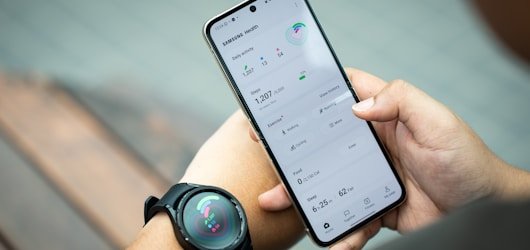
A note on smartwatches and “non-invasive” glucose claims. The US FDA has warned consumers not to use smartwatches or smart rings that claim to measure blood glucose without piercing the skin. None are authorized for this, and inaccurate readings can lead to dangerous dosing errors. Use an approved meter or CGM.
MythA CGM is only for people with type 1 diabetes.
FactCGM is now recommended for many adults with type 2 diabetes, especially those on insulin, and can help others understand their patterns.
Common questions
Does a CGM hurt?
Most people feel little or nothing. The sensor is applied with a spring-loaded applicator and has a very thin, flexible filament under the skin, not a needle that stays in. Some people notice mild skin irritation from the adhesive, which can often be managed with barrier products.
Is a CGM as accurate as a fingerstick?
Modern CGMs are accurate enough to make treatment decisions for most people. They measure glucose in the fluid between cells, so readings lag blood by about 5–10 minutes. When glucose is changing quickly, or if symptoms do not match the reading, confirm with a fingerstick.
Which diabetes app should I use?
Start with the app made by your meter or CGM maker, since it connects automatically. Look for apps that let you share reports with your care team, have clear privacy policies and are recommended by your clinic or diabetes educator.
- Meters give snapshots; CGMs show the whole day, with trends and alerts.
- CGM is recommended for adults with type 2 diabetes on insulin or medicines that can cause lows.
- The real value comes from spotting patterns and acting on them with your care team.
- Next: How to read a nutrition label.
Type 2 Diabetes Basics: all 18 articles
- What Is Type 2 Diabetes?
- Type 2 Diabetes Risk Factors
- Early Signs and Symptoms
- How Type 2 Diabetes Is Diagnosed
- A1C vs Blood Glucose
- Diabetes and Your Heart
- Preventing Long-Term Complications
- Type 2 Diabetes Medicines Explained
- GLP-1 Medicines: What to Expect
- Taking Your Medicines Consistently
- When Your Diabetes Changes
- Digital Tools: Meters, CGMs and Apps
- How to Read a Nutrition Label
- Carb Counting Made Simple
- Small Food Swaps for Lower Blood Sugar
- Travelling With Diabetes
- Diabetes Distress and Depression
- Caring for Someone With Type 2 Diabetes
Sources
- American Diabetes Association Professional Practice Committee. 7. Diabetes Technology: Standards of Care in Diabetes—2026. Diabetes Care. 2026;49(Suppl 1).
- Beck RW, Riddlesworth TD, Ruedy K, et al. Continuous glucose monitoring versus usual care in patients with type 2 diabetes receiving multiple daily insulin injections (DIAMOND). Ann Intern Med. 2017;167(6):365–374.
- Martens T, Beck RW, Bailey R, et al. Effect of continuous glucose monitoring on glycemic control in patients with type 2 diabetes treated with basal insulin (MOBILE). JAMA. 2021;325(22):2262–2272.
- Battelino T, et al. Clinical targets for continuous glucose monitoring data interpretation: International Consensus on Time in Range. Diabetes Care. 2019;42(8):1593–1603.
- US Food and Drug Administration. Do Not Use Smartwatches or Smart Rings to Measure Blood Glucose Levels: FDA Safety Communication. 2024.
This article is for general education and is not a substitute for advice from your own doctor, diabetes educator or pharmacist.