
- Fatty liver, now called MASLD, affects about 30% of adults worldwide, and most do not know they have it.
- It usually causes no symptoms. The key question is whether scarring (fibrosis) is present, which a simple FIB-4 blood score and a FibroScan can check.
- Losing 5% of body weight reduces liver fat; 7–10% can calm inflammation; 10% or more can shrink scarring.
- Heart disease, not liver failure, is the leading cause of death in people with MASLD, so heart health is part of the plan.
In this guide
- What fatty liver is
- MASLD, MASH, fibrosis and cirrhosis
- How common is fatty liver?
- Symptoms
- What causes fatty liver
- Who should be tested
- Tests: liver enzymes, FIB-4 and elastography
- Can fatty liver be reversed?
- The fatty liver diet
- Sugar, fructose and your liver
- Exercise for fatty liver
- Coffee and alcohol
- Medicines for fatty liver
- Links with prediabetes, cholesterol and heart disease
- A 12-week plan
- All articles in this guide
- Free tools
- Common questions
Many people first hear about fatty liver by chance: a line on an ultrasound report for stomach pain, or a slightly raised liver enzyme on a routine blood test. It is easy to shrug off, because it rarely causes symptoms. But fatty liver is the most common liver condition in the world, it is closely tied to prediabetes, type 2 diabetes and heart disease, and in a minority of people it slowly scars the liver.
The encouraging part is that the liver is remarkably good at healing. Fatty liver is one of the few chronic conditions where modest lifestyle changes can reverse the disease itself, not just slow it down. This guide brings together everything in our fatty liver series. Each section gives you the essentials and links to a detailed article.
What fatty liver is
A healthy liver stores a little fat. Fatty liver means fat makes up 5% or more of the liver, and it has built up for reasons other than heavy drinking. In 2023, liver societies around the world agreed on new names that describe the real driver, which is metabolic health.
| New name | Old name | What it means |
|---|---|---|
| SLD (steatotic liver disease) | Fatty liver | The umbrella term for any excess liver fat |
| MASLD | NAFLD | Liver fat plus at least one cardiometabolic risk factor, such as a larger waist, high blood sugar, high blood pressure, high triglycerides or low HDL |
| MASH | NASH | MASLD with inflammation and liver cell injury |
| MetALD | (new) | MASLD plus moderate alcohol intake, about 20–50 g a day for women or 30–60 g a day for men |
Rinella et al., J Hepatol 2023 (multisociety Delphi consensus).
The new definition also uses a lower BMI cut-off for Asian people (23 instead of 25), recognizing that many people in India and other Asian countries develop fatty liver at a “normal” weight.
Read more: Fatty liver (MASLD) explained.
MASLD, MASH, fibrosis and cirrhosis
Fatty liver can stay stable for years. In some people, fat triggers inflammation, and ongoing inflammation leads to scarring. Scar tissue is graded from F0 (none) to F4 (cirrhosis).
How fatty liver can progress
AASLD Practice Guidance, Hepatology 2023; EASL-EASD-EASO guideline, J Hepatol 2024.
Most people never move past the first step. What predicts long-term outcomes is not how much fat is in the liver but how much scarring there is. In a long-term study of people with biopsy-proven fatty liver, fibrosis stage was the only liver feature linked with death, liver transplant and liver-related events. That is why testing focuses on fibrosis.
How common is fatty liver?
Share of adults worldwide with fatty liver, by study period
Younossi et al., Hepatology 2023 (systematic review of studies worldwide).
Fatty liver has risen alongside obesity and type 2 diabetes. It is especially common in people with type 2 diabetes, obesity and metabolic syndrome, and it is increasingly seen in young adults and children. Because it is silent, most people who have it have never been told.
In South Asia, fatty liver often appears at a lower body weight than in Western countries. Many people carry more fat around the organs and less muscle for the same BMI, which is why the new definition uses a BMI of 23 as the threshold for Asian people, and why waist size is such a useful clue.
Symptoms
Most people with fatty liver feel completely well. When symptoms occur, they are vague: tiredness, or a dull ache or fullness under the right ribs. Liver enzymes (ALT and AST) are often only slightly raised, and can be normal even when there is significant disease.
See a doctor promptly if you notice yellowing of the skin or eyes, a swollen tummy or legs, vomiting blood or black stools, easy bruising, or new confusion or drowsiness. These can be signs of advanced liver disease and need urgent care.
Read more: Fatty liver symptoms: what to watch for.
What causes fatty liver
Fatty liver happens when more fat arrives in the liver, or is made there, than the liver can burn or export. Insulin resistance is at the center of it.
Fat around the organs releases fatty acids straight to the liver. Waist size matters more than weight.
Prediabetes and type 2 diabetes push the liver to make and store more fat.
Especially sugary drinks, sweets and large portions of white rice, maida and refined snacks.
Variants such as PNPLA3 raise risk, and are common in South Asian and Hispanic populations.
Inactivity, poor sleep and sleep apnea, PCOS, underactive thyroid and some medicines.
These factors feed one another. Liver fat worsens insulin resistance, insulin resistance drives more fat into the liver, and poor sleep and inactivity make both worse. Breaking the cycle at any point, whether through a better diet, more movement or modest weight loss, helps the whole system. That is also why the same habits improve blood sugar, triglycerides and blood pressure at the same time.
Read more: What causes fatty liver? and Visceral fat and metabolic health.
Who should be tested
There is no need to screen everyone, but major guidelines recommend checking people most likely to have fatty liver with scarring.
- People with type 2 diabetes.
- People with obesity or a larger waist plus at least one other metabolic risk factor, such as prediabetes, high blood pressure or high triglycerides.
- Anyone told they have fatty liver on an ultrasound or has persistently raised liver enzymes.
- Close relatives of people with cirrhosis from MASLD.
AASLD Practice Guidance 2023; EASL-EASD-EASO guideline 2024.
Tests: liver enzymes, FIB-4 and elastography
An ultrasound shows fat but cannot reliably judge scarring. The modern approach is a two-step check that avoids a liver biopsy for most people.
Step 1: FIB-4 score (from age, AST, ALT and platelets)
Sterling et al., Hepatology 2006; AASLD Practice Guidance 2023.
A low FIB-4 score means advanced scarring is unlikely, and you can usually be rechecked in 1–3 years while you work on lifestyle. A higher score leads to elastography, such as FibroScan, or a blood test called ELF. High-risk results usually mean referral to a liver specialist. FIB-4 is less accurate in people under 35 and over 65, so your doctor may interpret it differently.
You do not need a special test to get a FIB-4 score. It uses your age, two liver enzymes (AST and ALT) and your platelet count, all from routine blood tests. Many labs now report it automatically. If yours does not, ask your doctor to calculate it. Scarring from fatty liver usually develops slowly over many years, so a low score is reassuring, but it is worth repeating the check every few years if your risk factors remain.
Read more: Fatty liver tests: FIB-4, FibroScan and more.
Can fatty liver be reversed?
Yes, in many cases. The clearest evidence comes from a study in Cuba that followed 293 adults with biopsy-proven NASH through a year of diet and exercise and repeated the biopsy at the end. The more weight people lost, the more their liver healed.
Vilar-Gomez et al., Gastroenterology 2015. Only a minority of participants reached 10% weight loss.
Weight loss and what it can do for the liver
AASLD Practice Guidance 2023; EASL-EASD-EASO guideline 2024.
For someone who weighs 80 kg, that means 4 kg to reduce liver fat and 8 kg to give scarring a chance to heal. Slow, steady loss of about 0.5–1 kg a week is safest. People with lean MASLD often benefit from losing just 3–5%.
Read more: Can fatty liver be reversed? and Weight loss with prediabetes.
The fatty liver diet
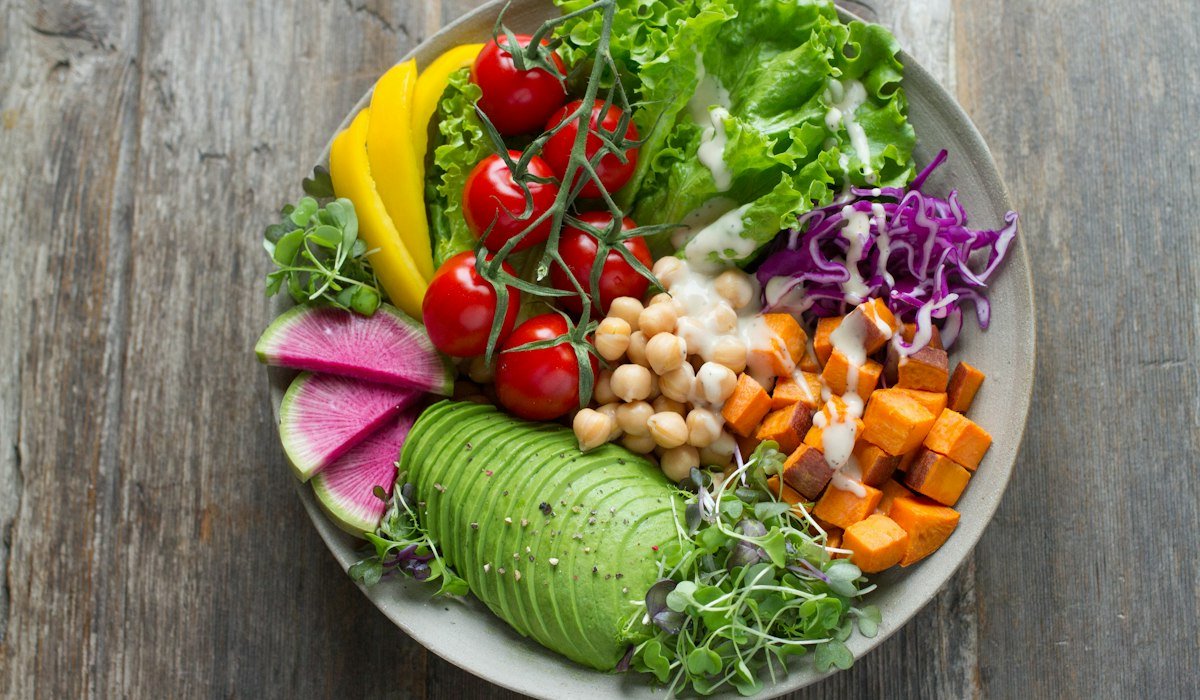
There is no single “liver detox” food. The pattern with the best evidence is a Mediterranean-style diet: plenty of vegetables, legumes, whole grains, fruit, nuts, olive or other unsaturated oils and fish, with little processed meat, sugar and ultra-processed food. It improves liver fat and insulin sensitivity even with modest weight loss, and it protects the heart. An Indian plate can follow the same principles.
- Vegetables and salads at lunch and dinner
- Dal, chana, rajma, sprouts and other legumes
- Whole grains: millets, oats, brown rice, whole-wheat roti in sensible portions
- Protein at each meal: eggs, fish, chicken, paneer, curd, tofu
- Nuts, seeds and unsaturated oils such as mustard or olive
- Sugary drinks, juices, sweets and mithai
- White bread, maida, biscuits and large rice portions
- Fried snacks: samosa, pakora, namkeen, chips
- Processed and red meats
- Ultra-processed ready meals and packaged snacks
A small daily calorie deficit, often about 500 kcal, adds up to steady weight loss. Keeping protein high helps you keep muscle while you lose fat.
Read more: The fatty liver diet, plus our Complete Guide to Protein.
Sugar, fructose and your liver
Table sugar is half glucose and half fructose. Most tissues can use glucose, but fructose is handled almost entirely by the liver, which turns much of an excess into new fat, a process called de novo lipogenesis. Sugary drinks are the biggest concern because they deliver a lot of fructose quickly without filling you up.
Whole fruit is not the problem. Its fiber slows absorption and the amount of fructose is modest, so 2–3 servings a day fit well.
Read more: Sugar, fructose and fatty liver.
Exercise for fatty liver
Exercise reduces liver fat even when your weight barely changes, because working muscles take up sugar and fat and improve insulin sensitivity. Both aerobic exercise and strength training help, so the best choice is the one you will keep doing.
Of moderate activity such as brisk walking or cycling, or 75–150 minutes of vigorous activity.
Two or more sessions a week. Muscle is your largest store for blood sugar.
Break up long sitting and add a 10–15 minute walk after meals.
EASL-EASD-EASO guideline 2024; Romero-Gómez et al., J Hepatol 2017.
Read more: Exercise for fatty liver and Walking after meals.

Coffee and alcohol
Coffee is one of the few everyday drinks linked with a healthier liver. In a large umbrella review of studies, coffee drinkers had a lower risk of liver disease, including cirrhosis and liver cancer. The AASLD notes that drinking coffee is associated with less severe liver disease. The evidence is observational, so it may not prove cause and effect. Choose filtered coffee with little or no sugar.
Alcohol is a liver toxin that adds to the damage from metabolic fat. There is no level that helps the liver. If you have fatty liver, less is better, and people with significant scarring or cirrhosis should avoid alcohol completely.
- Filtered coffee, black or with a little milk
- Water, buttermilk, unsweetened tea
- Alcohol-free days, or none at all
- Sweetened coffee drinks and cold coffees with syrup
- Regular drinking or binge drinking
- Any alcohol if you have advanced fibrosis
Read more: Coffee, alcohol and liver health.
Medicines for fatty liver
Lifestyle change remains the foundation, but medicines are now available for people with MASH and moderate to advanced scarring.
| Medicine | What the evidence shows |
|---|---|
| Resmetirom | A liver-targeted thyroid hormone receptor drug, approved in the US in 2024 for MASH with moderate to advanced fibrosis (not cirrhosis). In the MAESTRO-NASH trial, MASH resolved in about 26–30% of people versus 10% on placebo, and fibrosis improved in about 24–26% versus 14%. |
| GLP-1 medicines (such as semaglutide) | In a phase 2 trial, NASH resolved in 59% on the highest dose versus 17% on placebo. Semaglutide was later approved in the US for MASH with moderate to advanced fibrosis. Also helps weight, blood sugar and heart risk. |
| Others | Pioglitazone and vitamin E may be used in selected people under specialist guidance. |
Harrison et al., N Engl J Med 2024; Newsome et al., N Engl J Med 2021; AASLD Practice Guidance 2023.
Talk to your doctor about whether a medicine is right for you. These are prescription medicines chosen based on your fibrosis stage and other conditions. Avoid “liver detox” and herbal supplements, some of which can injure the liver, and tell your doctor about everything you take. If you are pregnant or planning a pregnancy, discuss medicines first.
See our GLP-1 medicines guide for more on how these medicines work.
Links with prediabetes, cholesterol and heart disease
Fatty liver rarely travels alone. It shares its roots with prediabetes, type 2 diabetes, high triglycerides, low HDL and high blood pressure. A fatty liver makes the whole body more insulin resistant and pours triglyceride-rich particles into the blood, which is why fatty liver is linked with a higher risk of developing type 2 diabetes.
Mantovani et al., Lancet Gastroenterol Hepatol 2021; AASLD Practice Guidance 2023.
So a fatty liver plan is also a heart plan. Ask your doctor to check your blood sugar (HbA1c), full lipid panel and blood pressure, and to assess your heart risk. Many people with MASLD benefit from a statin, which is safe for people with fatty liver.
Read more: The cholesterol, prediabetes and fatty liver connection, our Complete Guide to Cholesterol and our Complete Prediabetes Guide.
A 12-week plan
You do not need to change everything at once. This plan builds one layer at a time.
Ask for HbA1c, lipids, liver enzymes and a FIB-4 score. Measure your weight and waist. Swap sugary drinks for water, chaas or unsweetened tea.
Half vegetables, a quarter protein, a quarter whole grains or roti. Add dal or legumes daily. Cut fried snacks to once a week.
Work up to 30 minutes of brisk walking five days a week, plus two short strength sessions. Walk after your largest meal.
Aim for 7–9 hours of sleep, keep alcohol to a minimum or none, and plan meals for the week. Aim for steady loss toward 5–7% of body weight.
Repeat blood tests with your doctor. Liver enzymes often improve within months; keep going toward 10% if scarring was found.
All articles in this guide
Read them in this order for a complete course on fatty liver:
- Fatty liver (MASLD) explained
- Fatty liver symptoms: what to watch for
- What causes fatty liver?
- Fatty liver tests: FIB-4, FibroScan and more
- Can fatty liver be reversed?
- The fatty liver diet
- Sugar, fructose and fatty liver
- Exercise for fatty liver
- Coffee, alcohol and liver health
Free tools
Belly fat is a stronger clue to fatty liver than weight alone. Aim for under 0.5.
With Asian cut-offs, and a quick way to set a 5% and 10% weight-loss goal.
Estimate your daily needs and a sensible deficit for steady weight loss.
Keep muscle while you lose fat by getting enough protein.
MythFatty liver only happens to people who drink or who are very overweight.
FactMASLD is driven by metabolic health, not alcohol, and many people, especially South Asians, develop it at a normal BMI. A larger waist, prediabetes or high triglycerides are common clues.
Common questions
How long does it take to reverse fatty liver?
Liver fat can fall within weeks of eating less and moving more. Improvement in inflammation and scarring takes longer, usually 6–12 months of sustained change.
Do normal liver enzymes mean my liver is fine?
Not always. ALT can be normal even with MASH or fibrosis. That is why FIB-4 and elastography are used for people at risk.
Are liver detox products or cleanses useful?
No. There is no evidence they reverse fatty liver, and some herbal products can harm the liver. Your liver does its own detoxing.
Can thin people get fatty liver?
Yes. “Lean MASLD” is common in Asia and is linked with belly fat, insulin resistance and genes. Losing even 3–5% of weight and building muscle can help.
Can I take a statin if I have fatty liver?
Yes, for most people. Statins are safe in MASLD and help lower the heart risk that comes with it. Talk to your doctor if you have cirrhosis.
Should I stop eating rice if I have fatty liver?
No need to cut it out. Keep portions moderate, fill half the plate with vegetables, add dal or another protein, and choose brown rice or millets sometimes. The overall pattern matters more than any single food.
- MASLD is fat in the liver linked with metabolic risk factors; it affects about 3 in 10 adults and is usually silent.
- Scarring (fibrosis) is what matters most; FIB-4 followed by FibroScan is the standard way to check.
- Losing 5%, 7–10% and 10% or more of body weight brings step-by-step liver benefits; diet quality, fewer sugary drinks and regular exercise all help.
- Heart disease is the leading cause of death with MASLD, so manage blood sugar, cholesterol and blood pressure too.
- Next: The Complete Guide to Metabolic Health.
Sources
- Rinella ME, Lazarus JV, Ratziu V, et al. A multisociety Delphi consensus statement on new fatty liver disease nomenclature. J Hepatol. 2023;79(6):1542–1556.
- Rinella ME, Neuschwander-Tetri BA, Siddiqui MS, et al. AASLD Practice Guidance on the clinical assessment and management of nonalcoholic fatty liver disease. Hepatology. 2023;77(5):1797–1835.
- European Association for the Study of the Liver (EASL), European Association for the Study of Diabetes (EASD), European Association for the Study of Obesity (EASO). EASL-EASD-EASO Clinical Practice Guidelines on the management of metabolic dysfunction-associated steatotic liver disease (MASLD). J Hepatol. 2024;81(3):492–542.
- Younossi ZM, Golabi P, Paik JM, et al. The global epidemiology of nonalcoholic fatty liver disease (NAFLD) and nonalcoholic steatohepatitis (NASH): a systematic review. Hepatology. 2023;77(4):1335–1347.
- Angulo P, Kleiner DE, Dam-Larsen S, et al. Liver fibrosis, but no other histologic features, is associated with long-term outcomes of patients with nonalcoholic fatty liver disease. Gastroenterology. 2015;149(2):389–397.
- Sterling RK, Lissen E, Clumeck N, et al. Development of a simple noninvasive index to predict significant fibrosis in patients with HIV/HCV coinfection. Hepatology. 2006;43(6):1317–1325.
- Vilar-Gomez E, Martinez-Perez Y, Calzadilla-Bertot L, et al. Weight loss through lifestyle modification significantly reduces features of nonalcoholic steatohepatitis. Gastroenterology. 2015;149(2):367–378.
- Romero-Gómez M, Zelber-Sagi S, Trenell M. Treatment of NAFLD with diet, physical activity and exercise. J Hepatol. 2017;67(4):829–846.
- Jensen T, Abdelmalek MF, Sullivan S, et al. Fructose and sugar: a major mediator of non-alcoholic fatty liver disease. J Hepatol. 2018;68(5):1063–1075.
- Poole R, Kennedy OJ, Roderick P, et al. Coffee consumption and health: umbrella review of meta-analyses of multiple health outcomes. BMJ. 2017;359:j5024.
- Harrison SA, Bedossa P, Guy CD, et al. A phase 3, randomized, controlled trial of resmetirom in NASH with liver fibrosis. N Engl J Med. 2024;390(6):497–509.
- Newsome PN, Buchholtz K, Cusi K, et al. A placebo-controlled trial of subcutaneous semaglutide in nonalcoholic steatohepatitis. N Engl J Med. 2021;384(12):1113–1124.
- Mantovani A, Csermely A, Petracca G, et al. Non-alcoholic fatty liver disease and risk of fatal and non-fatal cardiovascular events: an updated systematic review and meta-analysis. Lancet Gastroenterol Hepatol. 2021;6(11):903–913.
This article is for general education and is not a substitute for advice from your own doctor or healthcare team.