
- Small, repeatable swaps are easier to keep than strict diets, and they add up.
- The most powerful swaps: water instead of sugary drinks, whole grains instead of refined, and more vegetables, legumes and protein at each meal.
- How you eat matters too. Eating vegetables and protein before carbs and taking a short walk after meals can lower spikes.
Changing how you eat can feel overwhelming, especially right after a diabetes diagnosis. But research on eating patterns for diabetes shows no single “perfect” diet. Mediterranean, lower-carbohydrate, vegetarian and DASH-style patterns can all work. What they share is simple: more whole, fiber-rich foods and fewer refined carbs, sugary drinks and ultra-processed foods. You can move in that direction one swap at a time.
Swaps that make a real difference
1. Rethink your drinks
Sugary drinks raise blood sugar quickly and add calories without making you feel full. A large analysis found that people who drank one to two sugar-sweetened drinks a day had about a 26% higher risk of developing type 2 diabetes than those who rarely drank them. If you have diabetes, switching to water or unsweetened drinks is often the single easiest win. Diet drinks can be a stepping stone, but water is best.
2. Upgrade your grains
Whole grains keep the fiber-rich outer layers of the grain, so they are digested more slowly. A major review in The Lancet linked higher fiber and whole-grain intake with lower risk of type 2 diabetes, heart disease and early death. Try brown or red rice, whole-wheat roti, oats, barley, quinoa or millets, and swap half your usual rice or pasta for vegetables.
3. Add, do not just subtract
Adding foods is often easier than cutting them out. Try adding a salad or cooked vegetables to lunch and dinner, a handful of beans or lentils to soups and stews, or a source of protein to breakfast. These fill you up and slow the rise in blood sugar.
Change how you eat, not just what
Same meal, smaller spike (illustrative)
In a small study, eating vegetables and protein 15 minutes before carbohydrates lowered the after-meal glucose peak by roughly a third (Shukla et al., 2015).
- Eat in order: vegetables and protein first, carbs last.
- Walk after meals: even 10–15 minutes of light walking lowers the after-meal rise.
- Do not skip breakfast then overeat later: regular, balanced meals keep glucose steadier.
- Use a smaller plate and serve carb foods last.
- Cook more at home so you control salt, oil and sugar.
Swaps for common cuisines
- More dal, chana, rajma and vegetable sabzi; smaller rice or roti portion
- Whole-wheat or multigrain roti; millets like jowar or ragi
- Plain curd or raita instead of sweet lassi
- Open sandwich on whole-grain bread with extra salad
- Half the pasta, double the vegetables, add beans or fish
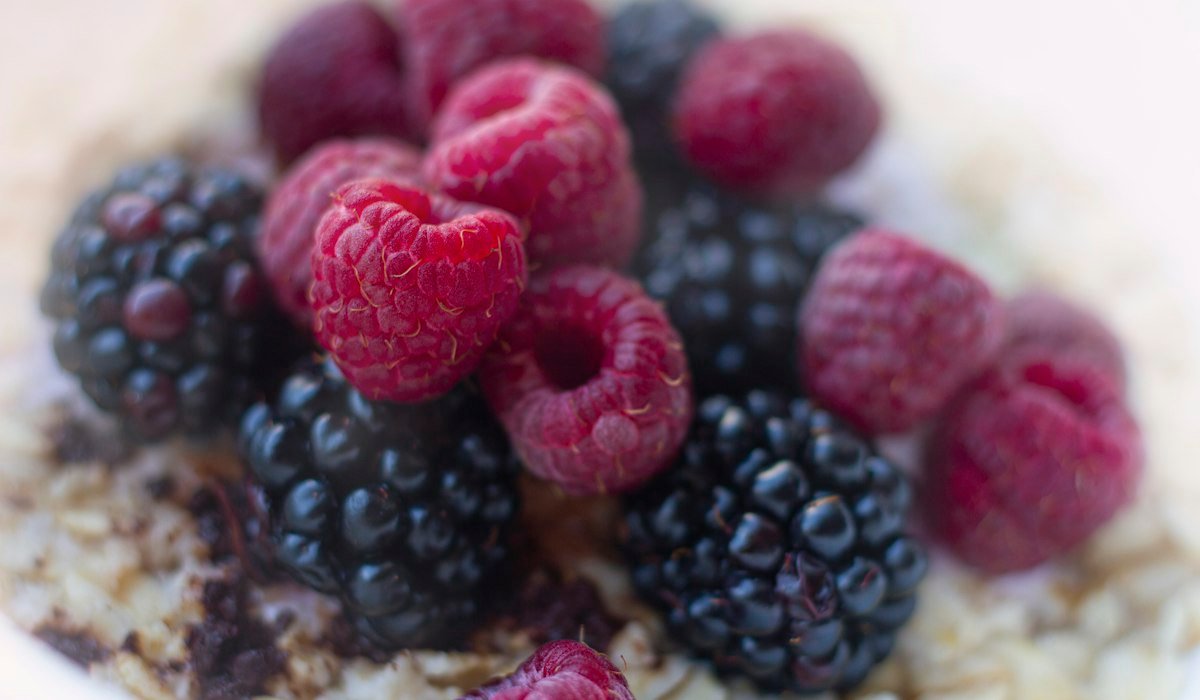
- Greek yogurt and berries instead of pastries
Our Eat More, Eat Less guide has a longer list of everyday foods.
MythI need special “diabetic” foods.
FactEveryday whole foods work best. Products labeled “diabetic” are often expensive and not much healthier.
Start with one
Pick one swap this week, the one that feels easiest, and stick with it until it is automatic. Then add another. Check your blood sugar before and 2 hours after a meal to see the difference for yourself. Small changes, kept up, are what move your A1C.
Common questions
Is brown rice really better than white rice?
Brown rice keeps its bran and germ, so it has more fiber and a slightly lower effect on blood sugar. Large studies link higher white rice intake with higher diabetes risk. Portion size still matters most, so try a smaller serving with more vegetables and protein.
Does apple cider vinegar or cinnamon lower blood sugar?
Small studies suggest vinegar with meals may modestly reduce after-meal glucose, and results for cinnamon are mixed. Neither is a substitute for medicines or healthy eating. Undiluted vinegar can harm teeth and the throat, so dilute it if you try it.
What is the best snack for someone with diabetes?
Snacks that combine protein or healthy fat with fiber tend to cause the smallest rise: a handful of nuts, plain yogurt with berries, hummus with vegetables, a boiled egg, or an apple with peanut butter. Many people do not need snacks at all if meals are balanced.
- Water instead of sugary drinks is often the easiest high-impact swap.
- Choose whole grains, legumes and vegetables, and add protein to each meal.
- Eat vegetables and protein first, and take a short walk after meals.
- Next: Travelling with diabetes.
Type 2 Diabetes Basics: all 18 articles
- What Is Type 2 Diabetes?
- Type 2 Diabetes Risk Factors
- Early Signs and Symptoms
- How Type 2 Diabetes Is Diagnosed
- A1C vs Blood Glucose
- Diabetes and Your Heart
- Preventing Long-Term Complications
- Type 2 Diabetes Medicines Explained
- GLP-1 Medicines: What to Expect
- Taking Your Medicines Consistently
- When Your Diabetes Changes
- Digital Tools: Meters, CGMs and Apps
- How to Read a Nutrition Label
- Carb Counting Made Simple
- Small Food Swaps for Lower Blood Sugar
- Travelling With Diabetes
- Diabetes Distress and Depression
- Caring for Someone With Type 2 Diabetes
Sources
- Evert AB, Dennison M, Gardner CD, et al. Nutrition therapy for adults with diabetes or prediabetes: a consensus report. Diabetes Care. 2019;42(5):731–754.
- Malik VS, Popkin BM, Bray GA, Després JP, Willett WC, Hu FB. Sugar-sweetened beverages and risk of metabolic syndrome and type 2 diabetes: a meta-analysis. Diabetes Care. 2010;33(11):2477–2483.
- Reynolds A, Mann J, Cummings J, et al. Carbohydrate quality and human health: a series of systematic reviews and meta-analyses. Lancet. 2019;393:434–445.
- Shukla AP, Iliescu RG, Thomas CE, Aronne LJ. Food order has a significant impact on postprandial glucose and insulin levels. Diabetes Care. 2015;38(7):e98–e99.
- Buffey AJ, Herring MP, Langley CK, Donnelly AE, Carson BP. The acute effects of interrupting prolonged sitting time in adults with standing and light-intensity walking on biomarkers of cardiometabolic health: a systematic review and meta-analysis. Sports Med. 2022;52:1765–1787.
This article is for general education and is not a substitute for advice from your own doctor, diabetes educator or pharmacist.