

- Carbohydrates have the biggest effect on blood sugar, so keeping carbs consistent and moderate at meals helps keep glucose steady.
- One “carb choice” is about 15 grams of carbohydrate, such as a slice of bread or a small piece of fruit.
- There is no single right amount for everyone. The plate method is a simple alternative if counting feels like too much.
Your body turns carbohydrates into glucose, so they raise blood sugar more, and faster, than protein or fat. That does not make carbs bad. Many carb foods, such as whole grains, beans, fruit and dairy, bring fiber, vitamins and energy. The aim is to know roughly how much you eat, spread it through the day, and choose good-quality sources.
What counts as a carbohydrate?
Bread, rice, pasta, roti, potatoes, corn, cereals and crackers.
Fresh, frozen, dried and juices. Whole fruit is better than juice.
Contain natural milk sugar (lactose). Cheese has very little.
Beans, lentils and chickpeas contain carbs, but also plenty of fiber and protein.
Desserts, sugary drinks, honey and syrups: carbs with few nutrients.
Non-starchy vegetables, meat, fish, eggs, tofu, nuts, oils and cheese.
The 15-gram “carb choice”
Many diabetes programs use a simple unit: one carb choice = about 15 grams of carbohydrate. It makes counting easier than adding exact grams. Each of these is roughly one carb choice:
| Food | About 15 g carbs |
|---|---|
| Bread | 1 slice (about 30 g / 1 oz) |
| Cooked rice or pasta | 1/3 cup |
| Roti or chapati | 1 small (about 6 inches / 15 cm) |
| Cooked oats | 1/2 cup |
| Potato | 1/2 medium, or 1/2 cup mashed |
| Cooked beans or lentils | 1/2 cup (about 20 g carbs, with lots of fiber) |
| Fruit | 1 small apple or orange, 1/2 banana, or 1 cup berries |
| Milk | 1 cup (240 ml) |
| Plain yogurt | 2/3 cup (about 175 g), unsweetened |
For packaged foods, use the total carbohydrate on the label. See How to Read a Nutrition Label.
How many carbs should I eat?
There is no one-size-fits-all answer. The right amount depends on your body size, activity, medicines, blood sugar goals and preferences. Many meal plans start somewhere around 30–60 grams (2–4 carb choices) per meal, then adjust based on glucose readings, weight goals and how satisfied you feel. Some people do well with lower-carbohydrate eating patterns, which can lower A1C and reduce medicine needs. The American Diabetes Association supports several eating patterns, as long as they are sustainable and built around nutritious foods.
Test, do not guess. Check your glucose before a meal and about 2 hours after starting it. As a rough guide used by many educators, if the rise is more than about 50 mg/dL (3 mmol/L), or you go above your target, try a slightly smaller carb portion or swap to a higher-fiber choice next time.
If you take mealtime insulin, carb counting is even more important, because your dose may be matched to the grams you eat using an insulin-to-carb ratio set by your care team.
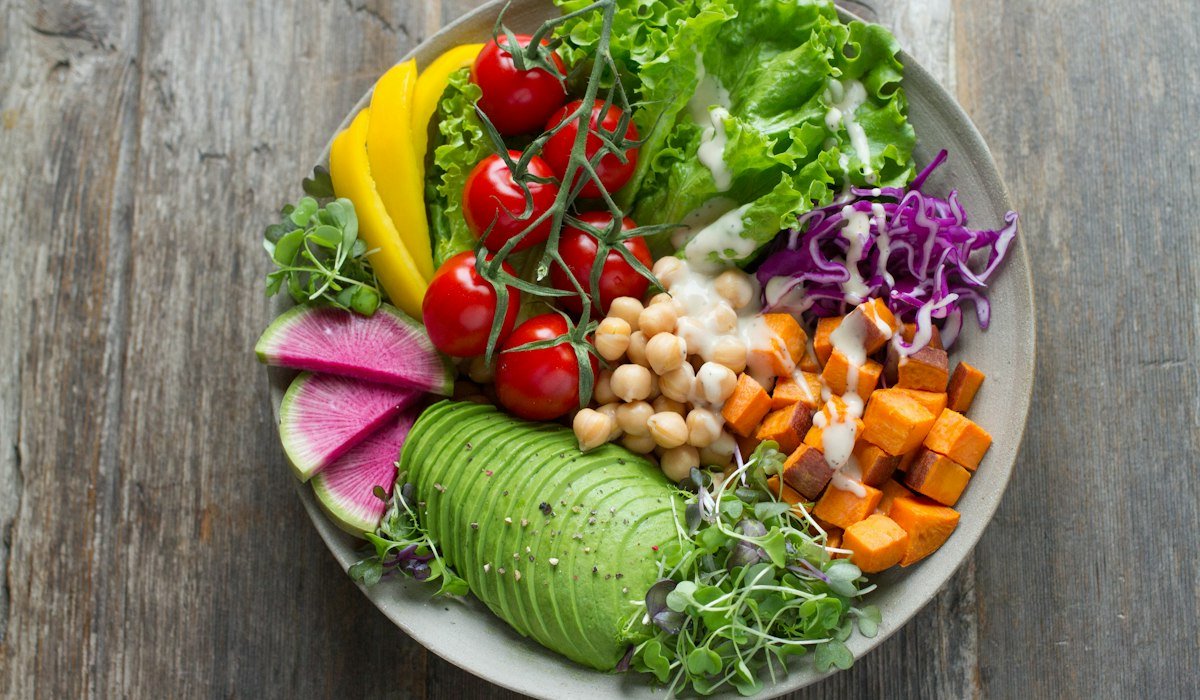
The plate method: no counting needed
If counting feels like too much, the plate method gives similar results with a quick look. Use a 9-inch (23 cm) plate:
The diabetes plate
- Half: non-starchy vegetables (salad, broccoli, greens, peppers, tomatoes)
- Quarter: lean protein (fish, chicken, eggs, tofu, paneer, beans)
- Quarter: carb foods (whole grains, starchy vegetables, fruit)
- Drink: water or another zero-calorie drink
Quality matters as much as quantity
Two meals with the same carbs can affect blood sugar differently. Carbs with more fiber, less processing and some protein or fat alongside cause a slower, smaller rise. So choose:
- whole grains over refined ones (brown rice, whole-wheat roti, oats);
- whole fruit over juice;
- beans and lentils often;
- carbs paired with protein and vegetables rather than alone.
Eating vegetables and protein before the carbohydrate part of a meal can also lower the after-meal rise. For ideas, see Small Food Swaps That Help Lower Blood Sugar.
MythPeople with diabetes must cut out carbs completely.
FactCarbs are allowed. Keeping portions consistent, choosing high-fiber sources and spreading them through the day is what counts.
Common questions
Do I need to count carbs if I do not take insulin?
Not necessarily. Many people on tablets or no medicines do well with the plate method and consistent portions. Carb counting is most useful for people on mealtime insulin, or for anyone who wants more precise control. A dietitian can help you decide.
Are low-carb diets safe for type 2 diabetes?
Lower-carbohydrate eating patterns can lower A1C and reduce medicine needs, and the American Diabetes Association lists them as an option. If you take insulin or a sulfonylurea, doses may need lowering to avoid lows, and people on SGLT2 inhibitors should follow advice about very low-carb diets. Plan changes with your care team.
Is fruit allowed?
Yes. Whole fruit brings fiber, vitamins and antioxidants. Spread fruit through the day, choose whole fruit over juice, and pair it with protein or nuts if it raises your glucose a lot. Berries, apples, pears and citrus are good everyday choices.
- One carb choice is about 15 g of carbohydrate.
- Start from a moderate, consistent amount per meal and adjust using your glucose readings.
- The plate method is an easy alternative to counting.
- Next: Small food swaps that help lower blood sugar.
Type 2 Diabetes Basics: all 18 articles
- What Is Type 2 Diabetes?
- Type 2 Diabetes Risk Factors
- Early Signs and Symptoms
- How Type 2 Diabetes Is Diagnosed
- A1C vs Blood Glucose
- Diabetes and Your Heart
- Preventing Long-Term Complications
- Type 2 Diabetes Medicines Explained
- GLP-1 Medicines: What to Expect
- Taking Your Medicines Consistently
- When Your Diabetes Changes
- Digital Tools: Meters, CGMs and Apps
- How to Read a Nutrition Label
- Carb Counting Made Simple
- Small Food Swaps for Lower Blood Sugar
- Travelling With Diabetes
- Diabetes Distress and Depression
- Caring for Someone With Type 2 Diabetes
Sources
- Centers for Disease Control and Prevention. Carb Counting to Manage Blood Sugar.
- Evert AB, Dennison M, Gardner CD, et al. Nutrition therapy for adults with diabetes or prediabetes: a consensus report. Diabetes Care. 2019;42(5):731–754.
- American Diabetes Association Professional Practice Committee. 5. Facilitating Positive Health Behaviors and Well-being: Standards of Care in Diabetes—2026. Diabetes Care. 2026;49(Suppl 1).
- National Institute of Diabetes and Digestive and Kidney Diseases. Diabetes Diet, Eating, & Physical Activity.
- Shukla AP, Iliescu RG, Thomas CE, Aronne LJ. Food order has a significant impact on postprandial glucose and insulin levels. Diabetes Care. 2015;38(7):e98–e99.
This article is for general education and is not a substitute for advice from your own doctor, diabetes educator or pharmacist.