
- Aim for 150 minutes a week of moderate activity, such as brisk walking, spread over at least 3 days.
- Add strength training 2–3 times a week. Muscle is the main place your body stores sugar from meals.
- In the Diabetes Prevention Program, people who met the activity goal had a 44% lower risk of diabetes even when they did not reach the weight-loss goal.
- Short movement breaks during long periods of sitting also lower blood sugar after meals.
If you have been told you have prediabetes, exercise is one of the most useful tools you have. You do not need a gym, special gear or hours of free time. What helps most is regular, moderate movement that you can keep doing week after week. Every time your muscles work, they pull sugar out of the blood, partly without needing insulin. Over weeks, regular activity also makes your body more sensitive to insulin, so your pancreas does not have to work as hard. This guide explains how much to do, which types of exercise matter and how to build a simple weekly plan.
How much exercise do you need?
The American Diabetes Association and the World Health Organization agree on a simple target for adults: at least 150 minutes a week of moderate activity, plus muscle-strengthening work on 2 or more days. Moderate means you can talk but not sing. Try not to go more than 2 days in a row without being active, because the boost to insulin sensitivity from a session fades after a day or two.
Colberg et al., ADA position statement, Diabetes Care 2016; Bull et al., WHO guidelines, Br J Sports Med 2020.
What the research shows
The landmark Diabetes Prevention Program (DPP) asked adults with prediabetes to walk briskly or do similar activity for 150 minutes a week and to lose about 7% of their weight. Together, these changes cut the risk of type 2 diabetes by 58% over about 3 years. A later analysis looked at people who did not manage the weight-loss goal. Those who still met the activity goal had a 44% lower risk than those who did not, which shows that movement helps in its own right.
Knowler et al., NEJM 2002; Hamman et al., Diabetes Care 2006.
Why walking plus strength works best
Aerobic exercise, such as walking, cycling or swimming, improves how your heart, lungs and muscles use fuel. Strength training builds and keeps muscle, which acts like a sponge for blood sugar after meals. The two work in different ways, so combining them makes sense.
The best trial on this was done in people who already had type 2 diabetes, so the results may not carry over exactly to prediabetes. In the HART-D study, 262 inactive adults were assigned to aerobic exercise, resistance training, both, or no exercise for 9 months. Only the combined group saw a clear drop in HbA1c, about 0.34 percentage points compared with no exercise, even though total exercise time was similar. The takeaway for prediabetes: include both types if you can. Learn more in Muscle and Metabolic Health.
Brisk walking, cycling, swimming, dancing, skipping or climbing stairs. Build up to 30 minutes on 5 days.
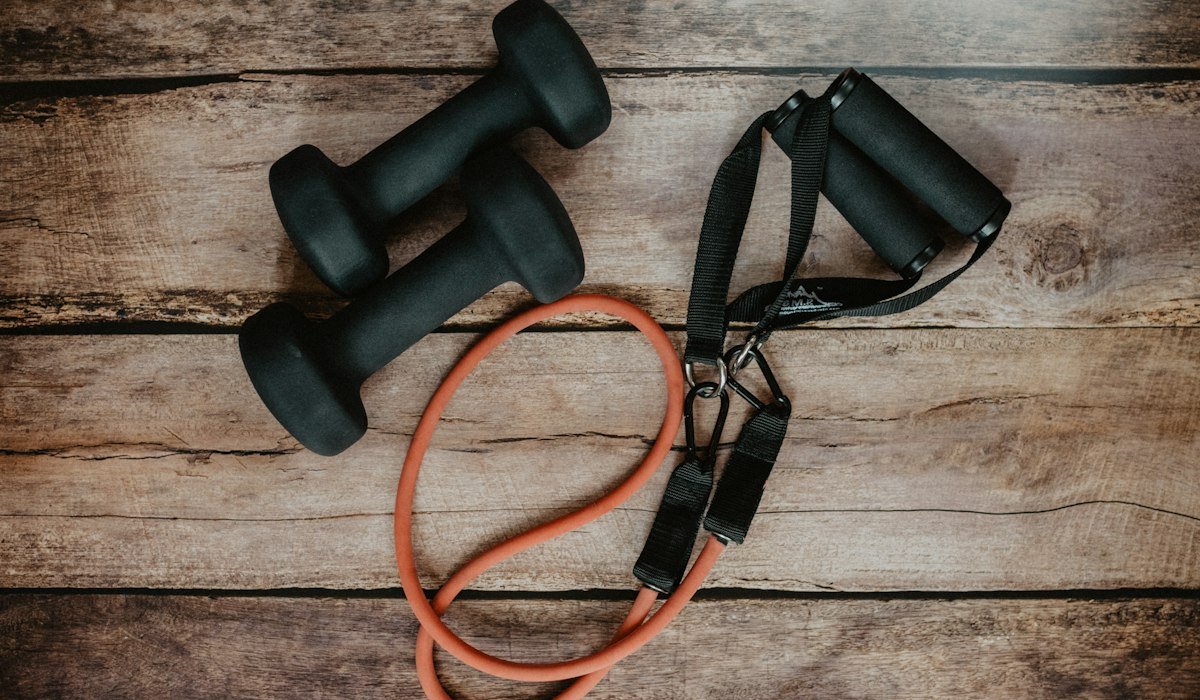
Squats, wall push-ups, lunges, resistance bands, dumbbells or water bottles. Work all major muscle groups.
Stand, stretch or walk for 2–3 minutes every half hour, especially after meals.
Break up long periods of sitting
Many people with desk jobs are active for 30 minutes and then sit for 10 hours. Sitting still for long stretches is linked with higher blood sugar, even in people who exercise. In one lab study, overweight adults who took 2-minute walking breaks every 20 minutes after a sugary drink had a noticeably smaller rise in blood sugar than when they sat for the whole time.
Rise in blood sugar after a meal drink, compared with sitting all the time
Dunstan et al., Diabetes Care 2012 (19 overweight adults, 5-hour lab sessions).
A 10–15 minute walk after your biggest meal is an easy win. Read more in Walking After Meals and Blood Sugar.
A sample week
Here is one way to fit 150 minutes of activity and 2 strength sessions into a normal week. Swap the days around to suit your routine.
| Day | Activity | Time |
|---|---|---|
| Monday | Brisk walk + strength (squats, wall push-ups, band rows) | 30 + 20 min |
| Tuesday | Brisk walk, or 3 × 10-minute walks after meals | 30 min |
| Wednesday | Cycling, swimming, dancing or yoga | 30 min |
| Thursday | Brisk walk + strength | 30 + 20 min |
| Friday | Rest or a gentle stroll | – |
| Saturday | Longer walk, hike or sport with family | 30–45 min |
| Sunday | Easy walk and stretching | 20–30 min |
Everyday movement counts too: taking the stairs, walking to the market, playing with children and housework all add up.
Starting from zero: an 8-week build-up
If you are not active now, start small. Doing a little and keeping it up beats an ambitious plan you abandon after a week.
Walk 10 minutes a day at a comfortable pace, ideally after a meal. Try 1 set of sit-to-stands from a chair and wall push-ups twice a week.
Walk 15–20 minutes on 5 days. Pick up the pace for a few minutes at a time. Do 2 sets of each strength move.
Walk 25 minutes on 5 days. Add lunges, band rows or light dumbbells. Stand up every 30 minutes at work.
Reach 30 minutes on 5 days (150 minutes). Strength training 2–3 times, 8–12 repetitions per set.
Our Beginner’s Guide to Strength Training shows each move with simple progressions.
Staying safe
- Warm up with 5 minutes of easy walking and cool down the same way.
- Wear comfortable, supportive shoes and check your feet for blisters.
- Drink water, and in hot, humid weather walk early in the morning or in the evening.
- With strength moves, focus on good form before adding weight, and breathe out as you push.
Check with your doctor first if you have heart disease, chest pain, high blood pressure that is not controlled, joint or eye problems, or if you have been inactive for a long time. If you take insulin or medicines that can cause low blood sugar, ask how to adjust them. Stop and seek help for chest pain, severe breathlessness, dizziness or fainting.
MythExercise only helps prediabetes if you lose weight.
FactActivity improves insulin sensitivity by itself. In the DPP, meeting the activity goal lowered diabetes risk even in people who did not reach their weight-loss goal.
Common questions
Is walking enough?
Brisk walking is a great foundation and was the main activity in the DPP. Adding 2 strength sessions a week gives extra benefit for muscles and blood sugar.
When is the best time to exercise?
Any time you can stick to works. A walk soon after meals is especially helpful for lowering the rise in blood sugar that follows eating.
Can I split my exercise into short bouts?
Yes. Three 10-minute walks count the same toward your weekly goal as one 30-minute walk.
How soon will my numbers improve?
Insulin sensitivity improves within days of starting. HbA1c reflects about 3 months, so recheck with your doctor after that. See How Prediabetes Is Diagnosed.
- Aim for 150 minutes of moderate activity a week, with no more than 2 days off in a row.
- Add strength training 2–3 times a week; combining it with aerobic exercise works best.
- Break up long sitting and walk after meals.
- Start small and build up over about 8 weeks; check with your doctor if you have health conditions.
- Next: Prediabetes and Weight Loss: Why 5–7% Makes a Big Difference.
Sources
- Knowler WC, Barrett-Connor E, Fowler SE, et al. Reduction in the incidence of type 2 diabetes with lifestyle intervention or metformin. N Engl J Med. 2002;346(6):393–403.
- Hamman RF, Wing RR, Edelstein SL, et al. Effect of weight loss with lifestyle intervention on risk of diabetes. Diabetes Care. 2006;29(9):2102–2107.
- Colberg SR, Sigal RJ, Yardley JE, et al. Physical activity/exercise and diabetes: a position statement of the American Diabetes Association. Diabetes Care. 2016;39(11):2065–2079.
- Church TS, Blair SN, Cocreham S, et al. Effects of aerobic and resistance training on hemoglobin A1c levels in patients with type 2 diabetes: a randomized controlled trial. JAMA. 2010;304(20):2253–2262.
- Dunstan DW, Kingwell BA, Larsen R, et al. Breaking up prolonged sitting reduces postprandial glucose and insulin responses. Diabetes Care. 2012;35(5):976–983.
- Bull FC, Al-Ansari SS, Biddle S, et al. World Health Organization 2020 guidelines on physical activity and sedentary behaviour. Br J Sports Med. 2020;54(24):1451–1462.
- American Diabetes Association Professional Practice Committee. 3. Prevention or Delay of Diabetes and Associated Comorbidities: Standards of Care in Diabetes—2026. Diabetes Care. 2026;49(Suppl 1).
This article is for general education and is not a substitute for advice from your own doctor or healthcare team.