
- Fatty liver (MASLD) is one of the most reversible liver conditions. Liver fat can start to fall within weeks.
- Losing 5% of body weight reduces liver fat, 7% can resolve inflammation (MASH), and 10% or more can reverse some scarring.
- Exercise lowers liver fat even without weight loss, and a Mediterranean-style diet helps too.
- Two medicines, resmetirom and semaglutide, are now approved in some countries for MASH with moderate to advanced scarring.
Hearing that you have a fatty liver can be worrying. The encouraging news is that the liver is remarkably good at repairing itself. Fat can leave liver cells quickly once the conditions that drove it in are reversed, and inflammation can settle. Even scar tissue, once thought to be permanent, can shrink in many people. How far things can improve depends mostly on one thing: how much scarring (fibrosis) is already there.
A quick note on names: the condition is now called MASLD (metabolic dysfunction-associated steatotic liver disease), and the inflamed form MASH. These replaced the older terms NAFLD and NASH, which you will see in older studies. For the basics, see Fatty Liver (MASLD) Explained.
How much weight loss is enough?
The clearest evidence comes from a study of 293 adults with biopsy-proven NASH in Cuba. They were given a lifestyle program and had a second liver biopsy after 52 weeks. The more weight people lost, the more their livers improved, and the benefit was dose-dependent.
Weight loss targets for the liver
Vilar-Gomez et al., Gastroenterology 2015; targets as summarized in the AASLD Practice Guidance, Hepatology 2023.
Vilar-Gomez et al., Gastroenterology 2015 (293 adults, 52 weeks).
For someone weighing 80 kg, 5% is 4 kg, 7% is about 5.5 kg, and 10% is 8 kg. The last donut is a reminder that 10% is hard for most people. But smaller losses still bring real benefits, and exercise, diet quality and better blood sugar control add to them. In people of South Asian heritage and those with lean fatty liver, a loss of 3–5% may be enough to make a difference. Our guide to sustainable weight loss has practical steps.
How fast can the liver improve?
Liver fat can begin to drop quickly once you eat fewer calories, especially from sugar and refined carbs, and move more.
Liver fat and liver enzymes often improve clearly. FibroScan CAP readings may fall.
With enough weight loss, inflammation (MASH) can resolve, as seen in the 52-week biopsy study.
Scarring changes slowly. Regression is possible, especially in earlier stages, but needs changes you can keep up.
Aim for a steady loss of about 0.5–1 kg a week at most. Very rapid weight loss from crash diets can sometimes worsen liver inflammation.
Exercise works, even without weight loss
Muscles are the body’s biggest sink for glucose. When they work, they draw sugar and fat out of the blood, and the liver has less to store. A meta-analysis of trials found that regular exercise reduced liver fat even when people lost little or no weight. Both aerobic exercise and strength training help, so choose what you enjoy and can keep doing.
Brisk walking, cycling or swimming, spread across the week. More, up to 300 minutes, brings extra benefit.
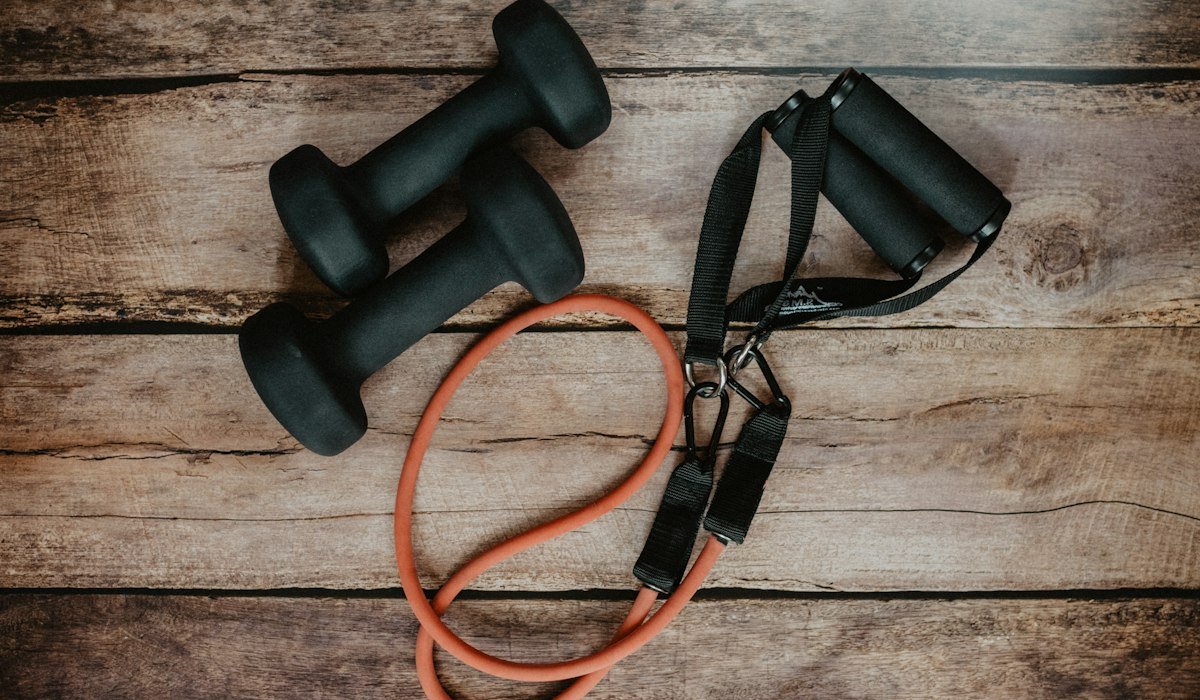
Bodyweight moves, bands or weights build muscle that soaks up glucose.
A 10-minute walk after meals blunts blood sugar spikes that feed liver fat.
More ideas in Exercise for Fatty Liver.
Eat for your liver: a Mediterranean-style pattern
Guidelines recommend a Mediterranean-style diet for MASLD. In a small six-week crossover trial, people with fatty liver lost more liver fat on a Mediterranean diet than on a low-fat, high-carbohydrate diet, even though their weight did not change. The pattern works just as well with Indian foods.
- Plenty of vegetables, legumes and whole grains: dal, rajma, chana, sprouts, brown rice or millets, whole-wheat roti.
- Healthy fats: olive, mustard or groundnut oil in modest amounts, nuts and seeds, rather than ghee, butter or vanaspati.
- Protein at each meal: fish, eggs, paneer, curd, tofu or lentils.
- Cut sugary drinks and sweets, and keep white rice, poha and maida-based snacks to smaller portions.
- Limit alcohol, ideally to none, especially if there is scarring.
For full meal ideas, read The Fatty Liver Diet.
Where medicines fit
For people with MASH and moderate to advanced scarring (stages F2–F3), medicines are now an option alongside lifestyle changes. In large trials with liver biopsies, both clearly outperformed placebo.
| Medicine | Key trial result |
|---|---|
| Resmetirom (tablet that targets a thyroid hormone receptor in the liver) | MASH resolved in about 26–30% versus 10% on placebo; scarring improved in about 24–26% versus 14% at 52 weeks (MAESTRO-NASH). |
| Semaglutide (weekly GLP-1 injection) | MASH resolved in 63% versus 34% on placebo; scarring improved in 37% versus 22% at 72 weeks (ESSENCE). |
These medicines are not for everyone. They are approved in some countries only for MASH with moderate to advanced scarring, not for simple fatty liver, and approvals and access differ by country. They can have side effects and interactions. Do not start, stop or buy any medicine or supplement for your liver without talking to your doctor. Read more in our GLP-1 Medicines Guide.
Why fibrosis stage matters
Long-term studies show that fibrosis stage, not the amount of fat or inflammation, is what best predicts liver problems and survival. Fat alone is highly reversible. Early scarring (F1–F2) can often regress. Advanced scarring (F3) can improve too, but needs closer monitoring. In established cirrhosis (F4), lifestyle changes still lower the risk of complications, but full reversal is less likely, and regular specialist checks are essential. That is why knowing your stage, usually from a FIB-4 score and FibroScan, shapes your plan; see Fatty Liver Tests Explained.
MythOnce you have fatty liver, the damage is permanent.
FactLiver fat and inflammation are often fully reversible, and even scarring can shrink with sustained weight loss and activity.
Common questions
Can fatty liver go away completely?
Yes, fat in the liver can return to normal levels, especially in early disease. Keeping it away depends on keeping up the habits that cleared it.
Do liver detox products or supplements help?
There is no good evidence that detox teas, cleanses or most supplements reverse fatty liver, and some herbal products can harm the liver. Vitamin E is sometimes prescribed by specialists for selected people, but only under medical supervision.
I cannot lose 10% of my weight. Is it still worth trying?
Absolutely. Even 3–5% lowers liver fat, and exercise helps regardless of weight change. Every step counts.
- Fatty liver often improves: 5% weight loss cuts liver fat, 7% can resolve MASH, 10% can reverse scarring.
- Exercise lowers liver fat even without weight loss; aim for 150+ minutes a week plus strength training.
- A Mediterranean-style pattern, adapted with dal, vegetables, whole grains and healthy oils, supports the liver.
- Resmetirom and semaglutide help selected people with MASH and scarring; your fibrosis stage guides the plan.
- Next: The Fatty Liver Diet.
Sources
- Vilar-Gomez E, Martinez-Perez Y, Calzadilla-Bertot L, et al. Weight loss through lifestyle modification significantly reduces features of nonalcoholic steatohepatitis. Gastroenterology. 2015;149(2):367–378.e5.
- Rinella ME, Neuschwander-Tetri BA, Siddiqui MS, et al. AASLD Practice Guidance on the clinical assessment and management of nonalcoholic fatty liver disease. Hepatology. 2023;77(5):1797–1835.
- European Association for the Study of the Liver (EASL), European Association for the Study of Diabetes (EASD), European Association for the Study of Obesity (EASO). EASL-EASD-EASO Clinical Practice Guidelines on the management of metabolic dysfunction-associated steatotic liver disease (MASLD). J Hepatol. 2024;81(3):492–542.
- Keating SE, Hackett DA, George J, Johnson NA. Exercise and non-alcoholic fatty liver disease: a systematic review and meta-analysis. J Hepatol. 2012;57(1):157–166.
- Ryan MC, Itsiopoulos C, Thodis T, et al. The Mediterranean diet improves hepatic steatosis and insulin sensitivity in individuals with non-alcoholic fatty liver disease. J Hepatol. 2013;59(1):138–143.
- Harrison SA, Bedossa P, Guy CD, et al. A phase 3, randomized, controlled trial of resmetirom in NASH with liver fibrosis. N Engl J Med. 2024;390(6):497–509.
- Sanyal AJ, Newsome PN, Kliers I, et al. Phase 3 trial of semaglutide in metabolic dysfunction-associated steatohepatitis. N Engl J Med. 2025;392(21):2089–2099.
- Angulo P, Kleiner DE, Dam-Larsen S, et al. Liver fibrosis, but no other histologic features, is associated with long-term outcomes of patients with nonalcoholic fatty liver disease. Gastroenterology. 2015;149(2):389–397.e10.
This article is for general education and is not a substitute for advice from your own doctor or healthcare team.