
- Regular aerobic exercise mainly lowers triglycerides and raises HDL. Its effect on LDL is small.
- In a meta-analysis of 35 trials, aerobic training raised HDL by about 2.5 mg/dL.
- Better cholesterol explains only about one-fifth of the heart benefit of being active. The rest comes from blood pressure, inflammation, blood sugar and more.
- Aim for 150 minutes of moderate activity a week plus strength training on 2 days.
Many people start exercising hoping to bring down their LDL cholesterol, then feel disappointed when their next blood test barely changes. That is common, and it does not mean the exercise is not working. Physical activity moves some cholesterol numbers more than others, and many of its biggest heart benefits never show up on a lipid panel at all.
Here is what exercise can realistically do for your cholesterol, what it cannot, and a simple weekly plan to get the most from it.
What exercise changes
Active muscles burn fat and take up sugar from the blood, so the liver makes fewer triglyceride-rich particles. This is usually the clearest change.
Aerobic training raises HDL a little. Longer sessions tend to have a bigger effect.
Exercise alone lowers LDL only slightly. Diet, weight loss and, when needed, medicine do most of the work.
For a refresher on what each number means, see Understanding Cholesterol Numbers and Triglycerides Explained.
What the research shows
Kodama et al., Arch Intern Med 2007.
The HDL rise from exercise is modest, about 2.5 mg/dL on average. Session length mattered more than intensity, so a longer brisk walk may help HDL more than a short hard burst. Raising HDL is not a goal in itself, though. Medicines that raised HDL did not prevent heart attacks. What matters is the overall healthier pattern that comes with regular activity.
Why triglycerides respond so well
After a meal, fat and sugar enter the blood. Working muscles pull in both, and the effect lasts for hours after a session. Over weeks, regular activity makes muscles more sensitive to insulin, so the liver receives fewer spare calories to turn into triglyceride-rich particles. This is why people with prediabetes, a large waist or fatty liver often see the biggest drop in triglycerides when they start moving more. Cutting sugary drinks, refined carbs and alcohol at the same time adds to the effect. Our guide to Exercise for Prediabetes explains the blood sugar side.
Exercise and weight
Exercise on its own usually leads to modest weight loss, but it helps you keep weight off and shrink visceral fat around the organs, even when the scale barely moves. Losing weight through diet and activity together lowers LDL a little more and improves triglycerides and HDL further. Watching your waist can be more useful than watching your weight.
Strength training
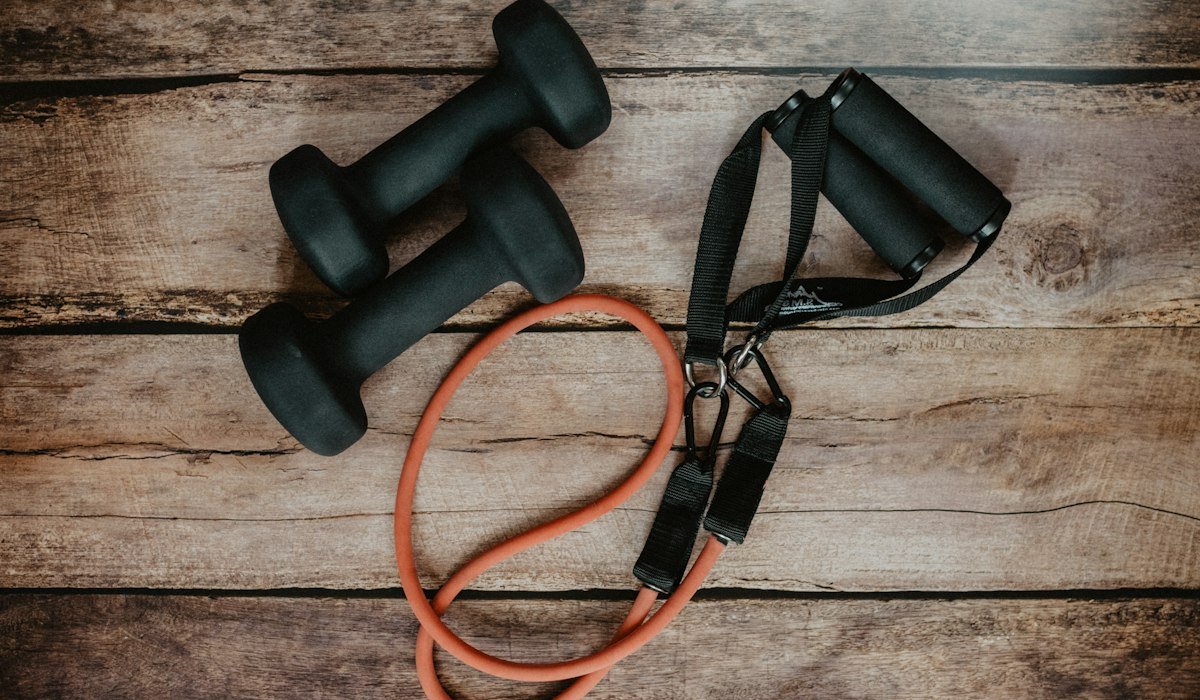
Resistance training, such as weights, resistance bands or bodyweight exercises, may lower LDL and total cholesterol a little, and combined aerobic and strength training appears to give the broadest benefit across the lipid profile. Strength training also builds muscle, which is the body’s largest store for blood sugar. That helps insulin sensitivity, triglycerides and liver fat. New to it? Start with our Beginner’s Guide to Strength Training.
The heart benefit goes beyond cholesterol
In a large study of about 27,000 women followed for over 10 years, the most active women had a much lower risk of heart disease and stroke. Researchers then asked how much of that benefit came from known risk factors.
Share of the lower heart risk explained by each factor
Mora et al., Circulation 2007 (Women’s Health Study). The factors overlap; together they explained about 59% of the benefit.
In other words, even if your LDL barely moves, exercise is still lowering your heart risk through blood pressure, inflammation, blood sugar, weight and fitness. About 40% of the benefit was not explained by any measured factor at all.
A simple weekly plan
Major guidelines recommend at least 150–300 minutes of moderate activity or 75–150 minutes of vigorous activity each week, plus muscle-strengthening activity on 2 or more days. Here is one way to fit it in.
| Day | Activity | Time |
|---|---|---|
| Monday | Brisk walk, plus a 10-minute walk after dinner | 40 min |
| Tuesday | Strength training: squats, push-ups, rows, lunges | 30 min |
| Wednesday | Cycling, swimming or dancing | 30–40 min |
| Thursday | Brisk walk or yoga | 30 min |
| Friday | Strength training | 30 min |
| Weekend | Longer walk, hike, sport or active outing | 45–60 min |
- Moderate means you can talk but not sing. Brisk walking counts.
- Short bouts add up. Three 10-minute walks work well.
- Break up long sitting with a few minutes of movement every half hour.
- Pair activity with diet changes for the biggest effect on LDL.
Walking after meals also helps blood sugar. See Walking After Meals for how to start.
Exercising while taking a statin
Statins and exercise work in different ways, so their benefits add up. Some people worry that statins cause muscle aches during exercise. Most muscle aches in people taking statins are not caused by the medicine, but if you get new, unexplained muscle pain or weakness, tell your doctor rather than stopping the statin or your exercise. Building up activity gradually helps your muscles adapt.
Check with your doctor first if you have heart disease, chest pain, shortness of breath on effort, dizziness, or have been inactive for a long time and plan vigorous exercise. Stop and seek help if you get chest pain or pressure during activity.
MythIf exercise did not lower my LDL, it is not worth doing.
FactCholesterol explains only a small part of how exercise protects the heart. It still lowers blood pressure, blood sugar, triglycerides and inflammation.
Common questions
How long until exercise changes my numbers?
Triglycerides can improve within weeks. HDL changes usually take a few months of regular training.
Is walking enough?
Brisk walking is a great base. Adding strength training twice a week gives broader benefits for muscle, blood sugar and cholesterol.
Does yoga help cholesterol?
Yoga can help with stress, flexibility and blood pressure, and some small studies suggest modest lipid benefits. Brisk walking and strength training have stronger evidence, so use yoga alongside them rather than instead of them.
Is it better to exercise before or after meals?
Both help. A short walk after meals is especially useful for blood sugar and for clearing fat from the blood after eating. Choose the timing you can stick with.
Can exercise replace my statin?
No. Exercise and statins work in different ways and add to each other. Never stop a medicine without talking to your doctor.
- Exercise mainly lowers triglycerides and modestly raises HDL.
- Its effect on LDL is small; diet and medicine do more there.
- Most of its heart benefit comes from blood pressure, inflammation, blood sugar and fitness.
- Aim for 150 minutes a week plus strength training on 2 days.
- Next: Cholesterol Medicines Explained: Statins, Ezetimibe and More.
Sources
- Kodama S, Tanaka S, Saito K, et al. Effect of aerobic exercise training on serum levels of high-density lipoprotein cholesterol: a meta-analysis. Arch Intern Med. 2007;167(10):999–1008.
- Mann S, Beedie C, Jimenez A. Differential effects of aerobic exercise, resistance training and combined exercise modalities on cholesterol and the lipid profile: review, synthesis and recommendations. Sports Med. 2014;44(2):211–221.
- Mora S, Cook N, Buring JE, Ridker PM, Lee IM. Physical activity and reduced risk of cardiovascular events: potential mediating mechanisms. Circulation. 2007;116(19):2110–2118.
- Piercy KL, Troiano RP, Ballard RM, et al. The Physical Activity Guidelines for Americans. JAMA. 2018;320(19):2020–2028.
- Bull FC, Al-Ansari SS, Biddle S, et al. World Health Organization 2020 guidelines on physical activity and sedentary behaviour. Br J Sports Med. 2020;54(24):1451–1462.
- Mach F, Baigent C, Catapano AL, et al. 2019 ESC/EAS guidelines for the management of dyslipidaemias: lipid modification to reduce cardiovascular risk. Eur Heart J. 2020;41(1):111–188.
This article is for general education and is not a substitute for advice from your own doctor or healthcare team.