
- Vitamins and minerals are micronutrients: needed in small amounts, but essential for energy, immunity, bones, blood and nerves.
- A varied diet rich in vegetables, fruit, whole grains, legumes, nuts, dairy or alternatives, and some fish covers most needs.
- Common shortfalls include vitamin D, iron, vitamin B12, folate, calcium and iodine, especially in certain groups.
- Supplements help when there is a real need, but high doses can cause harm.
Your body needs 13 vitamins and around 15 minerals to function. They do not provide energy themselves, but they are essential tools for almost everything your body does: turning food into energy, building bones and blood, keeping nerves working, fighting infections and repairing tissues. Most you cannot make yourself, so they must come from food, sunlight or, sometimes, supplements.
Two families of vitamins
- Absorbed with dietary fat and stored in the liver and body fat
- You do not need them every day
- Because they are stored, very high supplement doses can build up to harmful levels
- Dissolve in water; the body stores little (except B12)
- Needed regularly from food
- Excess is mostly passed in urine, though very high doses of some, such as B6, can still cause harm
Minerals are divided into major minerals needed in larger amounts, such as calcium, potassium and magnesium, and trace minerals needed in tiny amounts, such as iron, zinc, iodine and selenium.
Deficiencies are more common than you might think
Stevens et al., Lancet Glob Health 2022 (iron, zinc and folate).
Deficiencies are not only a problem in low-income countries. In wealthier countries, diets high in ultra-processed foods can be high in calories yet low in micronutrients. Low vitamin D is common in winter and in people who spend most of their time indoors. Iron deficiency affects many women with heavy periods. And some medicines quietly lower nutrient levels: long-term metformin use, for example, is linked with lower vitamin B12, which is why people taking it are advised to have B12 checked from time to time.
Key nutrients and where to find them
| Nutrient | What it does | Good food sources |
|---|---|---|
| Vitamin D | Bones, muscles, immunity | Sunlight on skin, oily fish, eggs, fortified milk and cereals |
| Vitamin B12 | Nerves, red blood cells | Meat, fish, eggs, dairy, fortified plant milks and cereals |
| Folate | Cell growth; prevents neural tube defects in pregnancy | Leafy greens, legumes, citrus, fortified grains |
| Iron | Carries oxygen in the blood | Red meat, poultry, fish, lentils, beans, spinach, fortified cereals |
| Calcium | Bones and teeth, muscles, nerves | Milk, yogurt, cheese, paneer, calcium-set tofu, fortified plant milks, sesame, leafy greens |
| Iodine | Thyroid hormones | Iodized salt, dairy, fish, seaweed |
| Magnesium | Muscles, nerves, blood sugar control | Nuts, seeds, whole grains, legumes, leafy greens |
| Vitamin C | Immunity, skin, iron absorption | Citrus, guava, berries, peppers, broccoli, tomatoes |
| Potassium | Blood pressure, heart rhythm | Fruit, vegetables, beans, potatoes, yogurt |
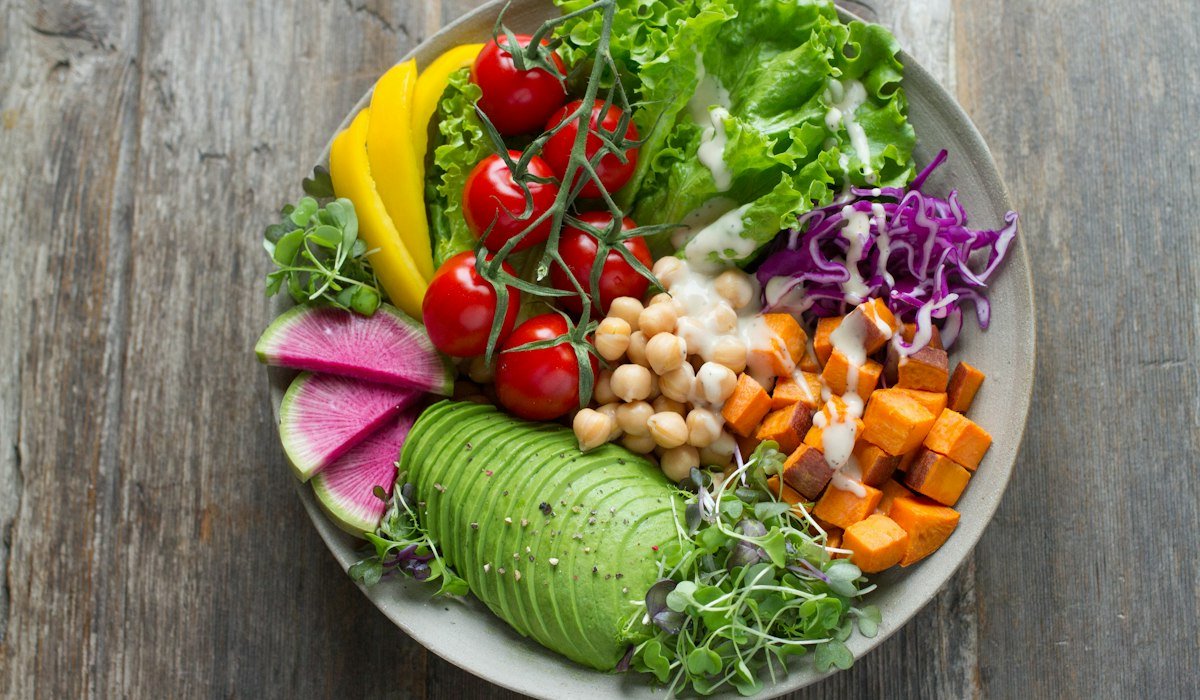
Food first: eat the rainbow
Different colors in fruit and vegetables often signal different nutrients and plant compounds. Aiming for several colors a day is a simple way to cover your bases.
Spinach, broccoli, peas and herbs: folate, vitamin K, magnesium, iron.
Carrots, pumpkin, mango and citrus: vitamin A (beta-carotene) and vitamin C.
Tomatoes, berries, beetroot and red cabbage: vitamin C, potassium and antioxidants.
Whole grains, legumes, nuts, mushrooms and dairy: B vitamins, magnesium, zinc and calcium.
Who may need a supplement?
- Vitamin D: people with little sun exposure, darker skin in northern climates, older adults, and many people in winter.
- Vitamin B12: vegans, adults over 50, and people taking metformin or acid-reducing medicines long term.
- Folic acid: anyone who could become pregnant, from before conception to 12 weeks of pregnancy.
- Iron: only if a blood test shows deficiency, which is common with heavy periods, pregnancy or low-meat diets.
- Calcium and iodine: people who avoid dairy or iodized salt may need alternatives; ask a dietitian.
When more is not better
For healthy adults, multivitamins have not been shown to prevent heart disease or cancer, and high-dose single supplements can cause harm. Beta-carotene supplements increased lung cancer risk in smokers; excess vitamin A can harm the liver and bones and cause birth defects; too much iron is toxic; and long-term high-dose vitamin B6 can damage nerves. The large VITAL trial found that vitamin D supplements did not lower cancer or heart disease rates in the general population.
Supplements can interact with medicines. Vitamin K affects warfarin, calcium and iron reduce absorption of thyroid medicine and some antibiotics, and St John’s wort interacts with many drugs. Always tell your doctor or pharmacist what you take.
MythTaking a daily multivitamin makes up for a poor diet.
FactWhole foods provide fiber and thousands of beneficial compounds that no pill can copy. Supplements fill specific gaps.
Common questions
Should I get my vitamin levels tested?
Routine testing is not needed for everyone. Your doctor may check vitamin D, B12, iron or folate if you have symptoms or risk factors.
Are natural supplements safer?
Not necessarily. “Natural” does not mean safe at any dose, and supplement quality varies. Choose products with independent quality marks.
What is the best time to take a supplement?
Fat-soluble vitamins such as D are better absorbed with a meal containing some fat. Iron is absorbed best on an empty stomach or with vitamin C, but can upset the stomach; take it as your doctor advises and away from tea, coffee and calcium.
Does cooking destroy vitamins?
Some water-soluble vitamins are lost with long boiling. Steaming, quick stir-frying and eating some produce raw help keep more.
- Vitamins and minerals are essential in small amounts; a varied, colorful diet covers most needs.
- Common gaps: vitamin D, B12, folate, iron, calcium and iodine in certain groups.
- Supplement for a specific need, not as general insurance.
- High doses can harm and some supplements interact with medicines.
- Next: What to eat with prediabetes.
Sources
- Stevens GA, Beal T, Mbuya MNN, et al. Micronutrient deficiencies among preschool-aged children and women of reproductive age worldwide: a pooled analysis of individual-level data from population-representative surveys. Lancet Glob Health. 2022;10(11):e1590–e1599.
- Manson JE, Cook NR, Lee IM, et al. Vitamin D supplements and prevention of cancer and cardiovascular disease. N Engl J Med. 2019;380(1):33–44.
- US Preventive Services Task Force. Vitamin, mineral, and multivitamin supplementation to prevent cardiovascular disease and cancer: recommendation statement. JAMA. 2022;327(23):2326–2333.
- Aroda VR, Edelstein SL, Goldberg RB, et al. Long-term metformin use and vitamin B12 deficiency in the Diabetes Prevention Program Outcomes Study. J Clin Endocrinol Metab. 2016;101(4):1754–1761.
- Pasricha SR, Tye-Din J, Muckenthaler MU, Swinkels DW. Iron deficiency. Lancet. 2021;397(10270):233–248.
- National Institutes of Health Office of Dietary Supplements. Dietary supplement fact sheets.
This article is for general education and is not a substitute for advice from your own doctor or healthcare team.