
- Lifestyle change is the first and most effective treatment for prediabetes, more effective than medicine on average.
- The two big targets: lose 5–7% of your body weight (if you have weight to lose) and be active for 150 minutes a week.
- Food quality, sleep, stress and support all make those targets easier to reach.
- Blood sugar often improves within 3–6 months.
There is no pill that works as well as lifestyle change for prediabetes. In the Diabetes Prevention Program, a modest weight loss and regular walking cut the risk of type 2 diabetes by 58%, almost twice as much as the medicine metformin. The changes were not extreme: participants ate a little less, chose healthier foods and walked briskly for about 20–30 minutes a day. Here are the five areas that matter most.
What the evidence shows
Knowler et al., NEJM 2002; Hamman et al., Diabetes Care 2006.
1. Nutrition: improve food quality
There is no single “prediabetes diet”. Mediterranean, lower-carb, vegetarian and DASH-style eating can all work. What they share is more fiber and whole foods, and fewer refined carbs and sugary drinks. A simple way to build meals is the plate method:
The healthy plate
- Half: non-starchy vegetables such as salad, greens, broccoli, peppers and tomatoes
- Quarter: protein such as fish, chicken, eggs, tofu, paneer, beans or lentils
- Quarter: whole-grain or starchy foods such as brown rice, millets, whole-wheat roti or potatoes
- Drink: water, unsweetened tea or coffee
See What to Eat With Prediabetes for a full eat more, eat less list.
2. Weight: modest loss, big payoff
If you carry extra weight, losing 5–7% is enough to make a big difference, because the first fat to go is often from the liver and around the organs. That is less than most people expect:
What 7% looks like
Aim for about 0.5–1 kg (1–2 lb) a week. Slow, steady loss is easier to keep off.
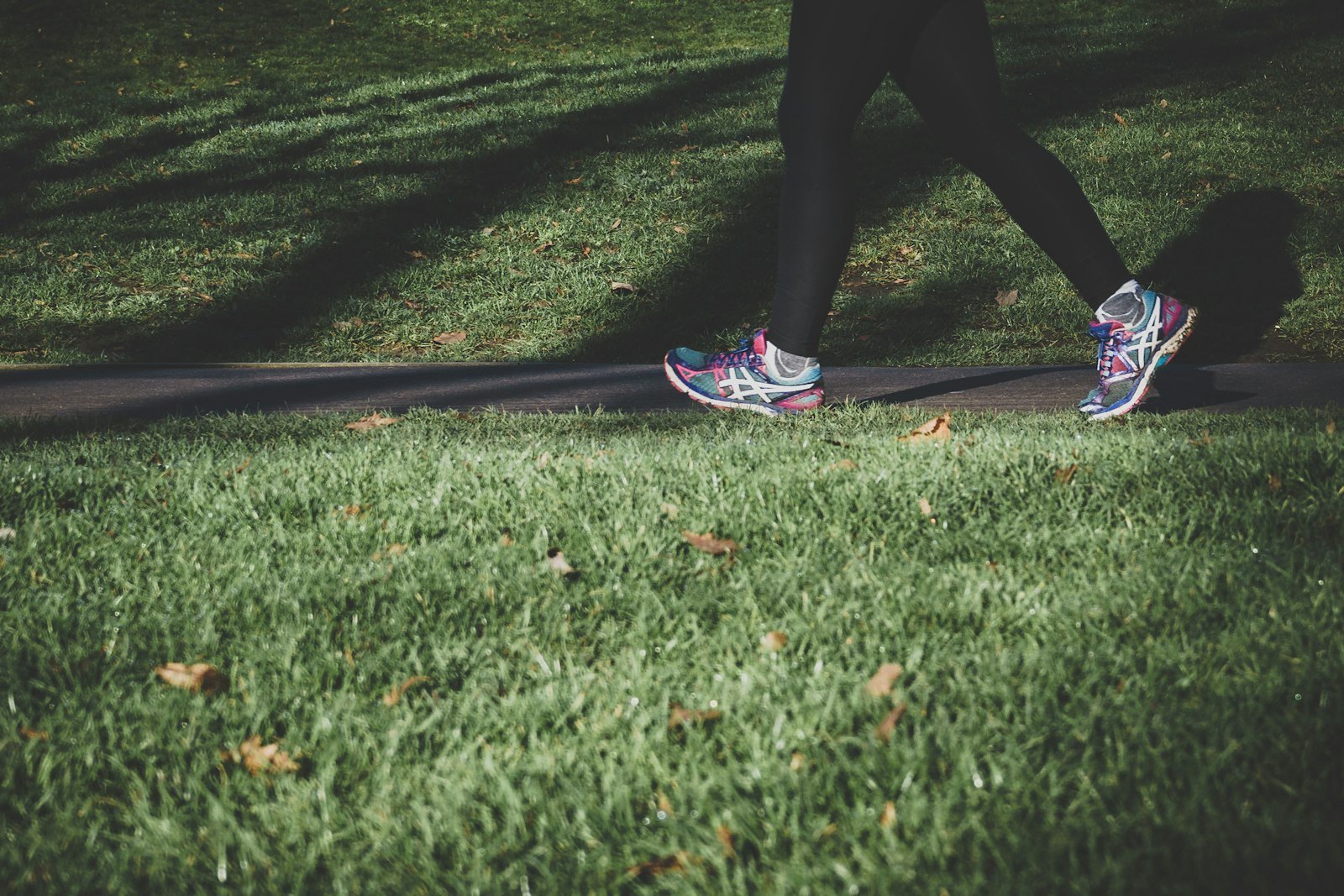
3. Movement: aim for 150 minutes a week
Activity works in two ways: it burns glucose straight away, and it makes your muscles more sensitive to insulin for up to a day afterwards. Brisk walking is the easiest place to start; you should be able to talk but not sing.
- 30 minutes, 5 days a week, or three 10-minute walks a day.
- A 10–15 minute walk after meals blunts the blood sugar spike.
- Strength training twice a week builds the muscle that stores glucose. See our Beginner’s Guide to Strength Training.
- Break up sitting every 30–60 minutes with a few minutes of standing or walking.
4. Sleep: 7 to 8 hours
Short sleep raises hunger hormones, increases cravings for sugary foods and makes the body more insulin resistant. Aim for 7–8 hours with a regular bedtime and wake time. Loud snoring with daytime sleepiness can be a sign of sleep apnea, which is common with prediabetes and treatable. Our Better Sleep Routine guide has practical tips.
5. Mindset and support
Change is easier with a plan and people on your side. Structured programs roughly double the weight people lose compared with going it alone.
Write down food, steps or weight. Self-monitoring is one of the strongest predictors of success.
Ask about a diabetes prevention program near you or online.
Cooking and walking with family or friends makes habits stick.
Expect slips. What counts is getting back on track the next day.
Putting it together: a sample day
Here is what the five changes can look like on an ordinary weekday. Breakfast is oats with nuts and berries, or eggs with vegetables, instead of a sugary cereal. A 10-minute walk after lunch replaces scrolling at your desk. The afternoon snack is a piece of fruit with a handful of nuts. Dinner follows the plate method: half vegetables, a portion of dal or grilled fish, and a smaller serving of rice or roti, followed by a short walk. Screens go off half an hour before bed, and you aim to be asleep by the same time each night. None of these steps is dramatic, but together they add up to the kind of change that research shows works.
What about medication?
Metformin can lower the risk of type 2 diabetes, especially in people under 60 with a BMI of 35 or more and in women who had gestational diabetes. Newer weight-loss medicines such as GLP-1 receptor agonists also lower blood sugar and weight, and may be offered to people who meet criteria for obesity treatment. Medicines work best alongside, not instead of, lifestyle change. Talk to your doctor about whether they suit you.
How quickly will I see results?
Each walk improves insulin sensitivity; after-meal sugar is lower.
More energy, better sleep, first kilograms lost.
HbA1c and fasting glucose usually improve on a repeat test.
Many people are back in the normal range; the risk of diabetes stays lower for years.
MythYou need to lose a lot of weight to make a difference.
Fact5–7% of body weight is enough to cut risk by more than half. Even smaller losses help.
Common questions
Do I need to stop eating carbs?
No. Choose higher-fiber carbs, keep portions moderate and pair them with protein and vegetables. Cutting out whole food groups is hard to sustain.
Can I drink alcohol?
Small amounts are generally fine for most adults, but alcohol adds calories and can affect sleep and liver fat. Keep to no more than 1 drink a day for women and 2 for men, and have alcohol-free days.
What if I am not overweight?
Focus on activity, strength training, diet quality and sleep. These improve insulin sensitivity regardless of weight.
- Lifestyle change cuts diabetes risk by more than half.
- Targets: lose 5–7% of body weight if needed and move 150 minutes a week.
- Build plates around vegetables, protein and whole grains; sleep 7–8 hours.
- Tracking and support make success much more likely.
- Next: What to eat with prediabetes.
Sources
- Knowler WC, Barrett-Connor E, Fowler SE, et al. Reduction in the incidence of type 2 diabetes with lifestyle intervention or metformin. N Engl J Med. 2002;346(6):393–403.
- Hamman RF, Wing RR, Edelstein SL, et al. Effect of weight loss with lifestyle intervention on risk of diabetes. Diabetes Care. 2006;29(9):2102–2107.
- Lindström J, Ilanne-Parikka P, Peltonen M, et al. Sustained reduction in the incidence of type 2 diabetes by lifestyle intervention: follow-up of the Finnish Diabetes Prevention Study. Lancet. 2006;368(9548):1673–1679.
- Buffey AJ, Herring MP, Langley CK, Donnelly AE, Carson BP. The acute effects of interrupting prolonged sitting time in adults with standing and light-intensity walking on biomarkers of cardiometabolic health: a systematic review and meta-analysis. Sports Med. 2022;52(8):1765–1787.
- Burke LE, Wang J, Sevick MA. Self-monitoring in weight loss: a systematic review of the literature. J Am Diet Assoc. 2011;111(1):92–102.
- American Diabetes Association Professional Practice Committee. 3. Prevention or Delay of Diabetes and Associated Comorbidities: Standards of Care in Diabetes—2026. Diabetes Care. 2026;49(Suppl 1).
This article is for general education and is not a substitute for advice from your own doctor or healthcare team.