
- Prediabetes means blood sugar is higher than normal, but not high enough to be diagnosed as type 2 diabetes.
- It is very common: more than 1 in 3 US adults has it, and more than 8 in 10 of them do not know.
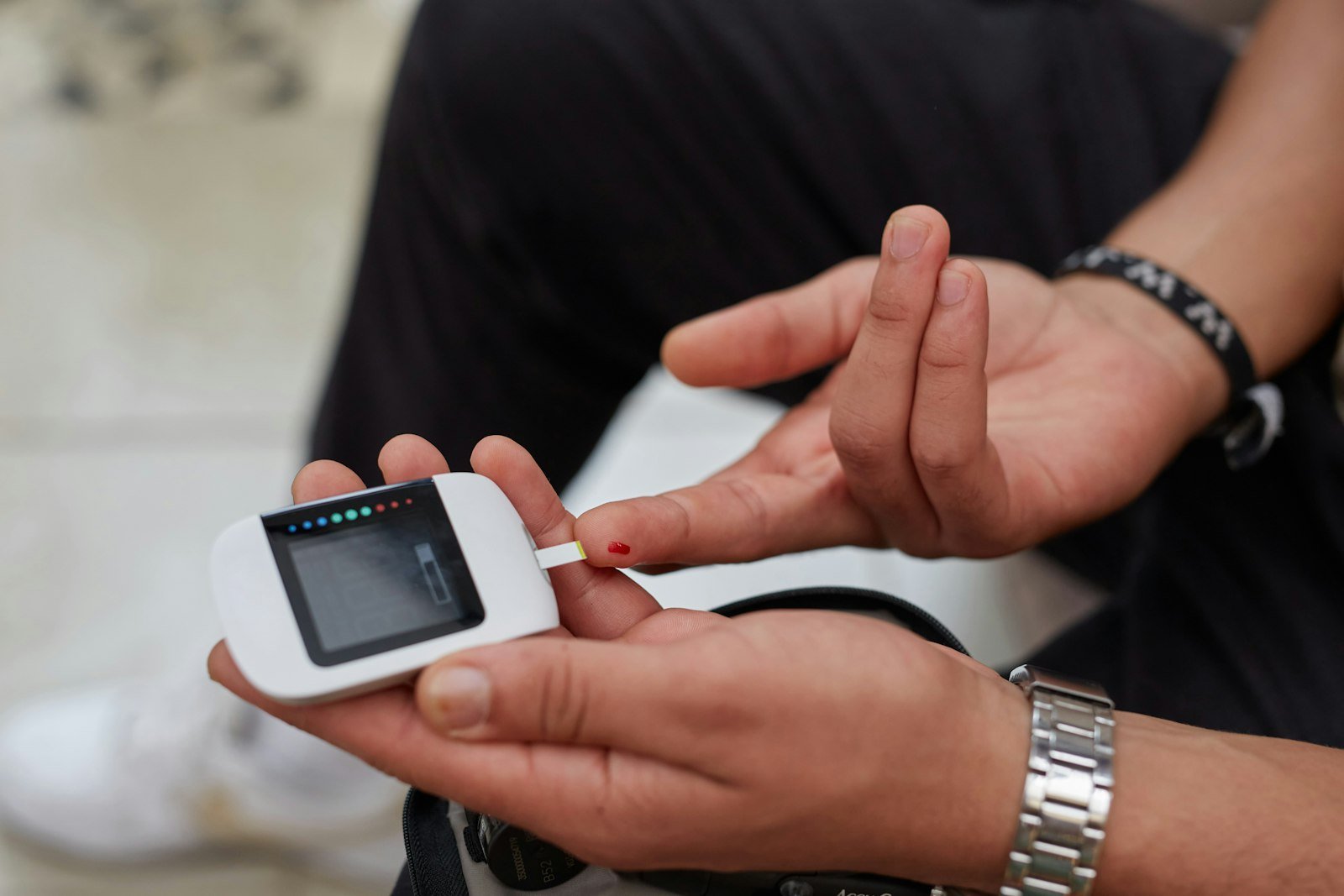
- It usually has no symptoms, so a simple blood test is the only way to find it.
- The good news: it is often reversible. Modest lifestyle changes cut the risk of type 2 diabetes by more than half.
Every time you eat, your blood sugar (glucose) rises. Your pancreas releases the hormone insulin, which works like a key to let glucose into your muscles, liver and fat cells to be used for energy. In prediabetes, that system is starting to struggle. The cells respond less well to insulin (called insulin resistance), and the pancreas has to work harder to keep up. Blood sugar creeps up, first after meals and then even when you are fasting.
Prediabetes is not a disease label to fear. Think of it as an early warning light on your dashboard: it shows up years before type 2 diabetes, at a time when you still have lots of room to turn things around.
How common is it?
CDC National Diabetes Statistics Report; Rooney et al., Diabetes Care 2023 (figures for 2021).
What happens in your body
From healthy blood sugar to type 2 diabetes
This process usually takes years. Extra weight around the waist, inactivity, poor sleep and genetics all push it along. Read more in What Causes Prediabetes?
The numbers that define prediabetes
Doctors use three blood tests. Any one of them in the prediabetes range, ideally confirmed with a repeat test, means prediabetes.
American Diabetes Association ranges
The black markers show example results in the prediabetes range. In mmol/L: fasting 5.6–6.9 and 2-hour 7.8–11.0 are prediabetes. Some countries use an HbA1c range of 6.0–6.4%.
Our guide How Prediabetes Is Diagnosed explains each test in detail.
Why it matters
Prediabetes is more than a number. Without changes, around 5–10% of people with prediabetes develop type 2 diabetes each year, and up to 70% eventually do. Prediabetes is also linked with a higher risk of heart disease and stroke, even before diabetes develops, because insulin resistance tends to travel with high blood pressure, high triglycerides and extra belly fat.
The main risk: blood sugar keeps climbing as insulin resistance grows.
Studies link prediabetes with a modestly higher risk of heart disease and stroke.
Insulin resistance often goes hand in hand with fat build-up in the liver.
The good news: it can be reversed
The landmark Diabetes Prevention Program followed more than 3,000 adults with prediabetes. People who lost about 7% of their body weight and walked briskly for 150 minutes a week cut their risk of type 2 diabetes by more than half.
Diabetes Prevention Program Research Group, NEJM 2002.
Even more encouraging, people who got their blood sugar back to normal, even once, had a much lower risk of diabetes over the following years. Our 6 Steps to Improve Prediabetes turns this into a simple weekly plan.
Who should get tested?
- All adults aged 35 and older, every 3 years if results are normal.
- Adults of any age who are overweight and have another risk factor, such as a parent or sibling with diabetes, high blood pressure, low activity or a history of gestational diabetes.
- People of South Asian, Black, Hispanic/Latino, Native American or Pacific Islander heritage, who develop diabetes at a younger age and lower weight.
- Anyone with prediabetes should be re-tested every year.
Not sure about your risk? Try our Diabetes Risk Check in about a minute, then take the result to your next appointment.
MythPrediabetes is “borderline”, so it is nothing to worry about.
FactIt is a real warning sign, but also your best chance to act. Small changes now can keep diabetes away for years, or for good.
Common questions
Does prediabetes have symptoms?
Usually not. A few people notice dark, velvety skin patches on the neck or armpits, or feel more tired, but most feel completely well. See Signs and Symptoms of Prediabetes.
Will I definitely get type 2 diabetes?
No. Many people with prediabetes never develop diabetes, especially if they make lifestyle changes. Some return to normal blood sugar levels.
Do I need medicine?
Lifestyle changes come first and work better on average. Your doctor may suggest metformin if you are under 60 with a higher weight, have had gestational diabetes, or your blood sugar keeps rising.
Already diagnosed with type 2 diabetes? Read What Is Type 2 Diabetes? in our 18-part Type 2 Diabetes Basics series.
- Prediabetes means blood sugar is above normal but below the diabetes range.
- It affects more than 1 in 3 adults, and most do not know.
- HbA1c 5.7–6.4%, fasting glucose 100–125 mg/dL or 2-hour glucose 140–199 mg/dL.
- Losing about 7% of body weight and moving 150 minutes a week cuts diabetes risk by more than half.
- Next: What causes prediabetes?
Sources
- Centers for Disease Control and Prevention. National Diabetes Statistics Report.
- Rooney MR, Fang M, Ogurtsova K, et al. Global prevalence of prediabetes. Diabetes Care. 2023;46(7):1388–1394.
- Tabák AG, Herder C, Rathmann W, Brunner EJ, Kivimäki M. Prediabetes: a high-risk state for diabetes development. Lancet. 2012;379(9833):2279–2290.
- Knowler WC, Barrett-Connor E, Fowler SE, et al. Reduction in the incidence of type 2 diabetes with lifestyle intervention or metformin. N Engl J Med. 2002;346(6):393–403.
- Perreault L, Pan Q, Mather KJ, et al. Effect of regression from prediabetes to normal glucose regulation on long-term reduction in diabetes risk. Lancet. 2012;379(9833):2243–2251.
- Cai X, Zhang Y, Li M, et al. Association between prediabetes and risk of all cause mortality and cardiovascular disease: updated meta-analysis. BMJ. 2020;370:m2297.
- American Diabetes Association Professional Practice Committee. 2. Diagnosis and Classification of Diabetes: Standards of Care in Diabetes—2026. Diabetes Care. 2026;49(Suppl 1).
This article is for general education and is not a substitute for advice from your own doctor or healthcare team.